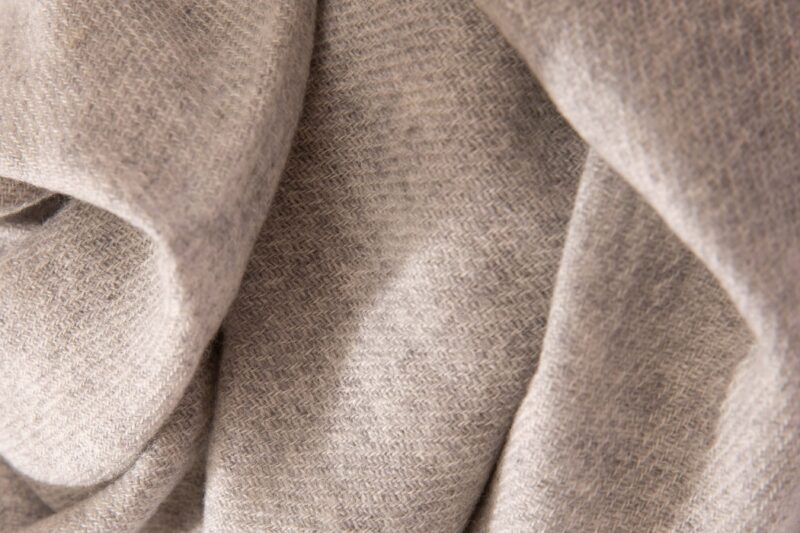
Quiet luxury is less about wealth and more about restraint.
In fashion, quiet luxury usually refers to clothing that feels refined through fabric, fit, proportion, and simplicity rather than visible branding. Neutral palettes, natural fibers, tailored silhouettes, and understated styling are all part of the quiet luxury aesthetic.
But quiet luxury is broader than aesthetics alone. At its core, quiet luxury is a way of dressing built on longevity over excess — choosing fewer things, wearing them repeatedly, and creating a wardrobe that feels calm, intentional, and enduring.
It’s often associated with understated luxury, timeless clothing, and wardrobes designed to repeat rather than constantly refresh.
For many people, this becomes practical through a capsule wardrobe: fewer, better pieces designed to work together over time.
Quick Answers
What Quiet Luxury Means
Before we go further, a few quick answers for the questions that tend to come up first—meaning, differences, and how to begin without turning it into a reinvention.
What is quiet luxury? (Meaning + definition)
Quiet luxury is understated, high-quality style—chosen for materials, construction, and longevity rather than logos or trend visibility. It’s refinement that reads as calm, not performative.
How do you look “quiet luxury” without wearing logos?
Focus on fit, fabric, and finish. Clean lines, thoughtful proportions, and pieces that drape well do most of the work—then keep styling simple: polished shoes, a structured bag, and quiet jewelry.
Is quiet luxury just expensive clothing?
Not necessarily. Quiet luxury is less about price and more about discernment: tailoring, fabric quality, and how often a piece earns its place in your life. Investment items can be part of it, but so can excellent basics.
Quiet luxury vs. old money style—what’s the difference?
Old money tends to signal a specific heritage aesthetic (preppy classics, legacy codes). Quiet luxury is broader—modern, minimal, or architectural—defined more by restraint and quality than a single “look.”
What colors are “quiet luxury”?
Neutrals make it easy: black, ivory, gray, navy, taupe, camel, chocolate, and soft white. The goal is harmony, not sameness—one deep tone plus one light tone is often enough.
What fabrics feel the most quiet luxury?
Look for wool, cashmere, alpaca, cotton poplin, silk, linen, and quality denim—materials that drape well and wear beautifully over time. Avoid overly shiny synthetics unless intentionally technical.
How do I start dressing quiet luxury with the closet I already have?
Start by editing: keep what fits beautifully, tailor what’s close, and replace only the pieces you reach for most. Prioritize one upgrade at a time—coat, shoes, bag, knitwear—then build around it.
The Elements That Make Clothing Feel “Quiet Luxury”
Quiet luxury is rarely created by a single expensive piece.
More often, it comes from how everything works together—the weight of the fabric, the balance of the silhouette, the restraint of the palette, the quiet confidence of repetition. The effect feels refined because nothing is competing for attention.
This is what makes a wardrobe feel calm, elevated, and enduring rather than trend-driven or overstyled.
1. Fabric That Holds Shape—or Drapes Beautifully
Fabric is usually the first signal people register, even if they cannot immediately explain why something looks refined.
Quiet luxury wardrobes tend to rely on natural fibers and materials that:
- drape softly without clinging
- hold structure without stiffness
- feel substantial in the hand
- develop character over time
Wool trousers, cashmere knits, crisp cotton poplin, silk, linen, suede, and full-grain leather all create texture in a quieter, more tactile way than visible branding every could.
A simple sweater in a beautiful fabric will almost always feel more elevated than a louder piece designed to attract attention immediately.
2. Tailoring and Proportion
One of the clearest visual signals of quiet luxury is proportion.
Not overly fitted. Not exaggerated. Just balanced.
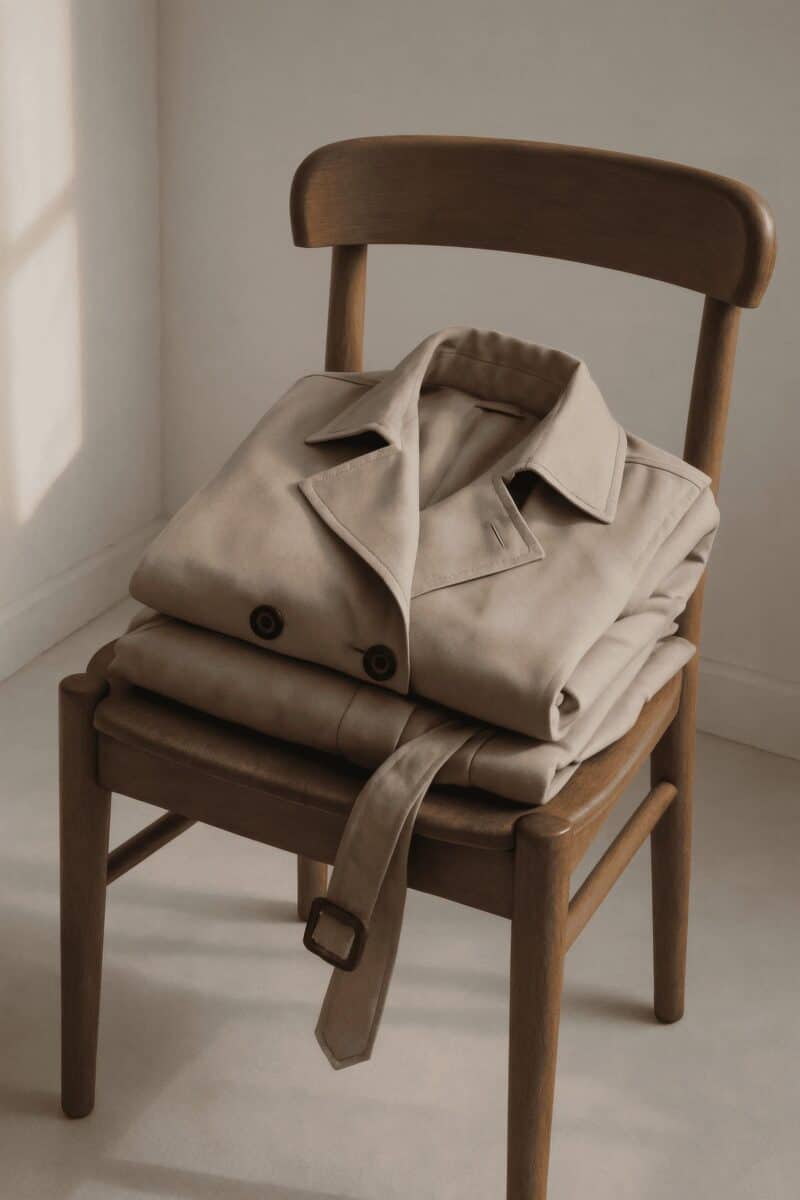
Trousers skim instead of pulling. Sleeves end cleanly at the wrist. Coats carry a gentle structure through the shoulder without feeling rigid. Silhouettes often feel slightly relaxed, but intentional.
This is part of why quiet luxury wardrobes photograph so differently from trend-driven fashion. The eye rests instead of reacting.
The goal is not perfection, but ease.
3. A Restrained Color Palette
Quiet luxury dressing usually relies on tones that layer naturally together rather than sharply contrasting against one another.
Cream, camel, charcoal, navy, chocolate, black, stone, olive, soft white, oat.
These palettes create visual continuity across a wardrobe, which is why repeating outfits often looks elegant instead of repetitive. Pieces combine easily because they were chosen to exist within the same visual language.
This is also why many people eventually gravitate toward a quiet luxury capsule wardrobe—fewer pieces, but more compatibility between them.
4. Minimal Visible Branding
One of the strongest characteristics of quiet luxury is often what is absent.
The focus shifts away from logos and obvious trend markers and toward:
- construction
- fabric
- silhouette
- movement
- finish
The clothing does not ask to be noticed immediately.
Its appeal reveals itseft more slowly—through wear, texture, proportion, and consistency. The impression feels quieter, but more often more lasting.
5. Repetition and Consistency
Quiet luxury style tends to look refined because it is edited.
Rather than constantly reinventing outfits, many people develop:
- a recognizable silhouette
- a repeating palette
- a handful of combinations they return to often
There is less visual noise because there are fewer competing identities inside the wardrobe.
This repetition creates a sense of personal rhythm—the kind that makes getting dressed feel composed instead of performative. It is also why outfit repeating often looks more elegant in quiet luxury dressing than constant novelty ever does.
6. Attention to Small Details
Often, the difference between an outfit that feels polished and one that feels chaotic comes down to subtle refinement.
Quiet luxury styling tends to emphasize:
- steamed fabric
- intentional layering
- clean shoes
- bags with structure rather than excess hardware
- restrained jewelry
- quality buttons and hardware
- proper hems and sleeve lengths
These details rarely stand out individually.Their power comes from accumulation.
Nothing feels overworked, but everything feels considered.
7. Clothing That Improves With Time
Trend-driven fashion is often designed for immediacy.
Quiet luxury tends to favor pieces that soften, age, and adapt beautifully with wear. A wool coat becomes more familiar each season. Linen relaxes naturally. Leather develops patina. Well-made knitwear molds gently to the body over time.
The goal is not constant replacement, but long-term usefulness.
This creates a wardrobe that feels grounded — one built around longevity, repetition, and trust rather than endless consumption.
Final Thought
Ultimately, quiet luxury is less about looking expensive than about creating coherence.
The fabrics feel tactile. The palette feels restrained. The silhouettes feel balanced. Nothing appears accidental, yet nothing feels forced.
It is a wardrobe built gradually—through editing, repetition, and discernment—until getting dressed begins to feel quieter, easier, and more like yourself.
A quieter way to think about what you own
If you’ve been looking for a quieter way to approach style and daily life, The Edit is a quiet monthly note on getting dressed, living well, and choosing with more intention.
No overwhelm. No constant updates. Just a more considered approach to what you keep, wear, and return to over time.
Sent monthly. Unsubscribe anytime.
What Quiet Luxury Looks Like
The aesthetic of quiet luxury is both visual and emotional. It moves through tone, texture, and proportion with a rhythm that feels calm rather than attention-seeking—refined without appearing overworked.
• Palette: Stone, sand, ivory, camel,charcoal, navy. Colors that soften a space or wardrobe rather than dominate it.
• Materials: Natural fibers, brushed metal, leather, oak, linen, wool, ceramic—surfaces chosen for texture, longevity, and tactility.
• Silhouette: Ease within structure. Tailoring that skims rather than constricts. Fluidity balanced by restraint.
• Atmosphere: Soft light, negative space, thoughtful composition—rooms and wardrobes that allow the eye to rest.
But the clearest signature of quiet luxury is not found in the objects themselves. It is found in the feeling they create.
There is a confidence in understatement—a sense of ease that does not rely on spectacle or validation. Nothing feels excessive, yet everything feels considered. The effect is subtle, but deeply intentional: refinement expressed through restraint, proportion, and quiet consistency.
Why Quiet Luxury Feels Different
Quiet luxury resonates because modern life increasingly feels saturated with excess.
Fast fashion, accelerated trend cycles, and algorithmic consumption have made it easy to accumulate more while feeling less connected to what we own. Quiet luxury offers an alternative: a return to discernment, longevity, and intentionality.
As the world becomes louder and faster, many people find themselves drawn toward what feels grounded and enduring — clothing with structure and softness, spaces that create calm, routines built around quality rather than constant novelty.
This shift is not only aesthetic, but cultural. Quiet luxury reflects a growing preference for:
- fewer, better pieces
- conscious consumption
- timeless design
- emotional clarity over visual excess
To live this way is not necessarily to reject beauty or luxury, but to redefine them. The appeal lies less in display and more in atmosphere — the quiet confidence of things chosen carefully and lived with fully.
This is where quiet luxury moves beyond trend and becomes a way of seeing: an appreciation for texture, proportion, craftsmanship, and restraint. The visual language feels calm because the underlying values are calm. Nothing competes for attention. Everything works together quietly.
Many of these signals become most noticeable through small details—fit, fabric, proportion, finish, and care—which is explored more fully in Quiet Luxury Signals.

Quiet Luxury in Practice
Quiet luxury becomes most visible not in theory, but in daily life.
It reveals itself in what you reach for repeatedly, what holds up over time, and what continues to feel right without constant reinvention. Rather than asking for more, the philosophy asks for alignment — pieces and environments that support your life with ease, clarity, and longevity.
This is where the aesthetic becomes tangible.
In the wardrobe, quiet luxury appears through consistency, structure, and repetition: clothing chosen to work together naturally rather than compete for attention. In the home, it becomes atmosphere — materials, light, and objects that create a sense of calm continuity.
The effect is rarely dramatic. Instead, it creates ease.
A wardrobe feels simpler to rely on. A room feels quieter to return to. Daily routines feel more intentional and less reactive.
What follows is not a strict formula, but a way of recognizing how quiet luxury translates into everyday life.

Quiet Luxury in Wardrobe
A quiet wardrobe is built on longevity, versatility, and ease. Rather than chasing constant novelty, it relies on pieces that feel refined through fit, fabric, and proportion — clothing designed to be worn often and well.
This is why so many people gravitate toward a quiet luxury capsule wardrobe: a smaller collection of pieces chosen for compatibility rather than excess. Tailored trousers, soft knitwear, structured outerwear, crisp shirting, and natural fibers create the foundation. Neutral tones — ivory, camel, charcoal, navy, oat — allow outfits to layer effortlessly and repeat without feeling repetitive.
Quiet luxury in fashion is rarely about owning more. It’s about building a wardrobe that moves easily between settings and seasons while maintaining a sense of cohesion. The effect feels polished not because every piece stands out, but because everything works together quietly.
Over time, repetition becomes part of the elegance. A familiar coat, a reliable knit, trousers that fall the same way every time—these details create a wardrobve that feels recognizable, calm, and distinctly personal.
If you want to translate the concept into daily outfits, How to Wear a Quiet Luxury Wardrobe This Week explores simple combinations built around repetition, balance, and ease.
The same philosophy extends beyond clothing. What we choose to surround ourselves with — textures, light, materials, and routines — shapes the atmosphere of everyday life just as much as what we wear.

Quiet Luxury in Home and Lifestyle
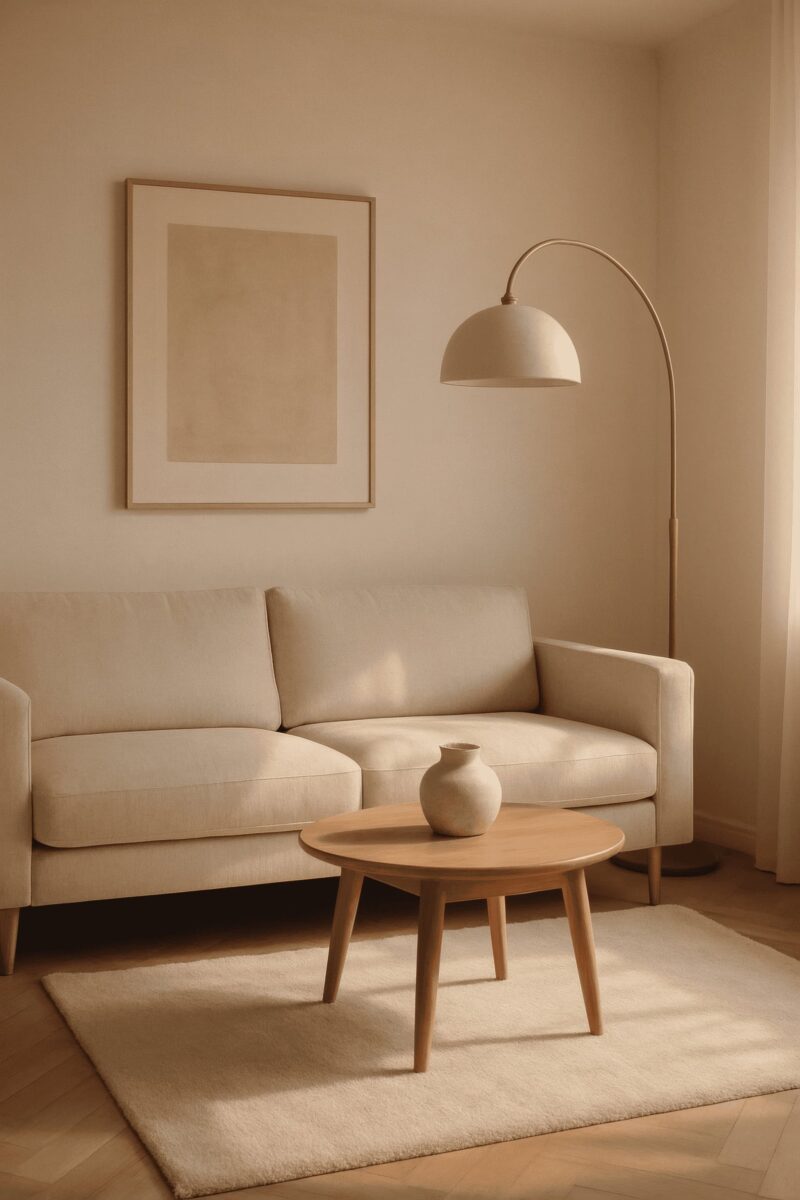
A quiet home follows the same principles as a quiet wardrobe: fewer, better, more intentional. The focus is not perfection or display, but atmosphere — spaces that feel calm, functional, and quietly lived in.
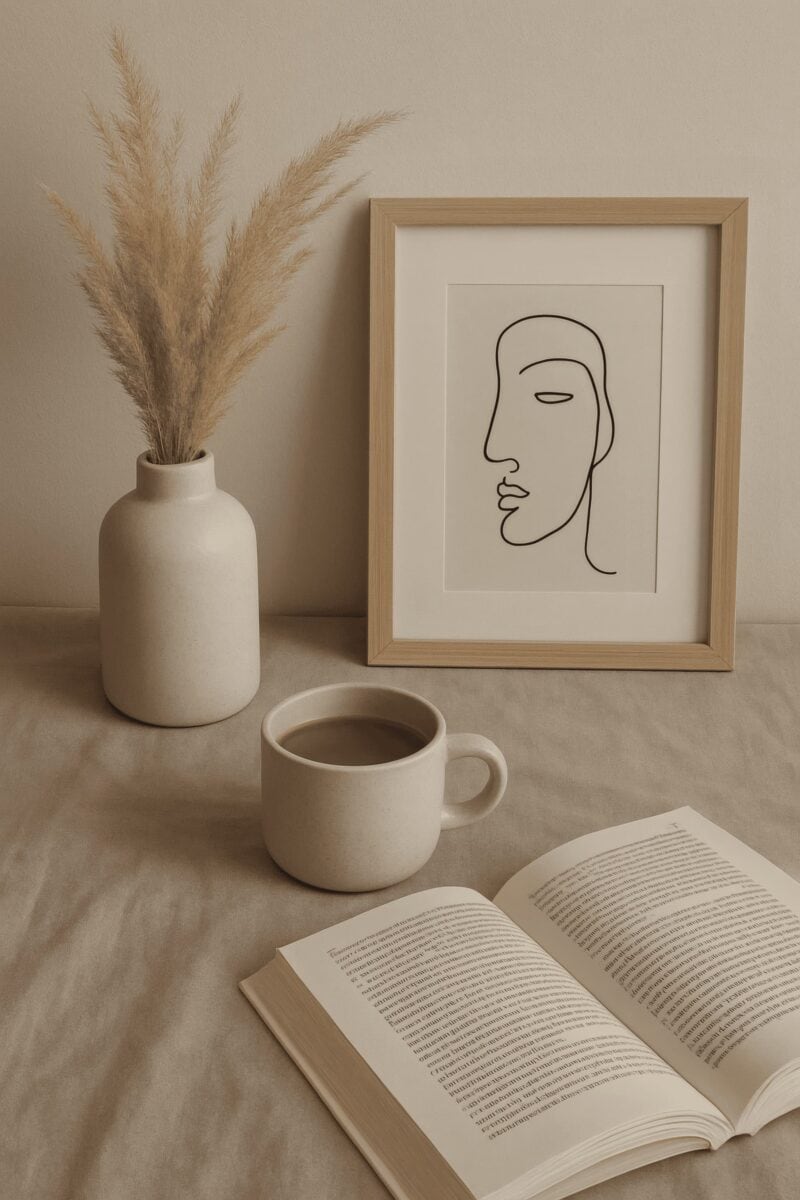
Natural materials often shape the foundation: linen, oak, wool, stone, ceramic. Soft light, restrained palettes, and tactile textures create environments that feel grounding rather than overstimulating. Even small rituals — morning coffee, lighting a candle in the evening, a well-made throw folded over a chair — contribute to a sense of rhythm and ease.
The same instinct often extends to personal care. A quiet luxury skincare routine, for example, usually favors a few reliable products chosen for consistency and function rather than excess accumulation.
Over time, thjese choices create a different feeling within the home. Rooms feel softer to return to. Routines feel less hurried. Nothing competes loudly for attention, yet everything works together quietly.
Ultimately, quiet luxury in the home is less about decoration and more about thoughtful editing: choosing objects, materials, and routines that continue to feel useful, calming, and enduring over time.

A Lifestyle Rooted in Values
Quiet luxury is ultimately less about owning expensive things and more about choosing with intention. It values craftsmanship, longevity, and environments that support calm rather than excess.
Over time, this approach shapes more than a wardrobe. It influences how we consume, decorate, schedule, and move through daily life — replacing constant accumulation with greater clarity and ease.
This is the space the Quiet Luxe Framework™ was built to address.
Not as a checklist—but as a way of seeing.
→ A closer look at the Quiet Luxe Framework™

Reflection
Quiet luxury is ultimately less about appearance than discernment.
Over time, the choices that matter most are rarely the loudest ones. They are the pieces that continue to feel right, the spaces that restore calm, and the routines that support daily life with quiet consistency.
A wardrobe becomes easier to rely on. A home feels softer to return to. Nothing is excessive, yet everything feels considered.
This is the appeal of quiet luxury: not perfection, but clarity — choosing fewer things with greater intention, and allowing quality, restraint, and longevity to shape what remains.
Where this leads
Quiet luxury becomes clearer when it moves from definition into use. These pieces show how the idea translates into a wardrobe, how many pieces are enough, and what it looks like in everyday life.