A clear, modern distinction
In recent years, terms like quiet luxury, minimalism, and old money style have become visually intertwined online —often reduced to neutral palettes, tailored silhouettes, and understated dressing.
Online, these aesthetics are often flattened into trend labels or luxury signifiers, but the distinction between them is deeper than color palettes or price points alone.
While these aesthetics can look similar at first glance, they are rooted in very different ideas about identity, taste, and refinement.
Here’s the clearest distinction:
| Aesthetic | Priority | Core Question |
|---|---|---|
| Minimalism | Reduction | What can I remove? |
| Old Money Style | Continuity | What has always been worn? |
| Quiet Luxury | Discernment | What deserves to remain? |
Minimalism seeks clarity through subtraction.
Old money style preserves inherited visual codes and social continuity.
Quiet luxury focuses on intentional refinement — choosing fewer, better things that integrate naturally into modern life.
These aesthetics often overlap visually. But the motivations behind them are fundamentally different.
Why These Aesthetics Get Confused
Quiet luxury, minimalism, and old money style are easy to confuse because they often share the same visual surface: neutral colors, tailored silhouettes, restrained styling, and a lack of obvious logos.
At a glance, all three can appear understated. They may rely on similar pieces — a wool coat, a crisp shirt, a clean trouser, a simple knit, a quiet shoe. None of them depends on excess. None of them ask to be loud.
But similar visuals do not always come from the same philosophy.
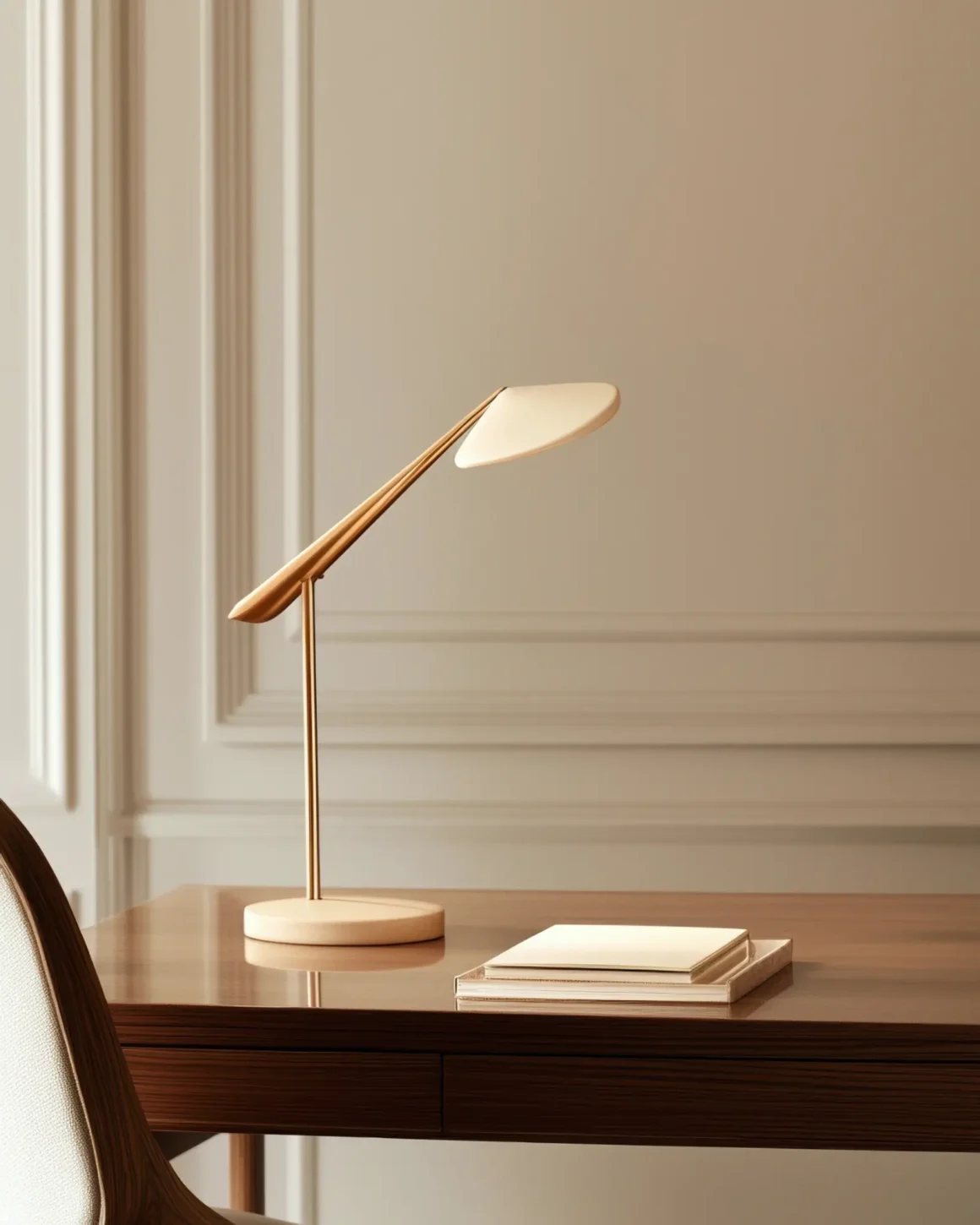
Minimalism is usually concerned with reduction: fewer items, cleaner lines, less visual noise.
Old money style is concerned with continuity: inherited codes, traditional combinations, and clothing that signals familiarity with a certain social language.
Quiet luxury prioritizes what continues to feel grounded, functional, and quietly enduring — choosing pieces for their quality, proportion, longevity, and ability to integrate into everyday life.
This is why “quiet luxury vs old money” can feel confusing. Both may look polished and restrained, but old money style often preserves a known visual order, while quiet luxury is less about overt status signaling and more about building a wardrobe through restraint and discernment.
It is also why quiet luxury and minimalism are not the same. Minimalism often asks what can be removed. Quiet luxury asks what is worth keeping.
The overlap is aesthetic. The difference is motivation.
Minimalism: Reduction As a Principle
Minimalism is often misunderstood as an aesthetic first — white walls, monochrome clothing, empty spaces, and simplified wardrobes.
But beneath the visual language is a deeper principle: reduction.
Minimalism asks what can be removed without diminishing function, clarity, or meaning. In clothing, this often translates into fewer colors, fewer objects, cleaner silhouettes, and less visual interruption.
The goal is not necessarily luxury or refinement. It is coherence through subtraction.
This is why minimalist wardrobes often feel calm. The eye encounters less competition. Decisions become simpler. Repetition becomes easier.
But minimalism can also become overly dependent on reduction itself. When every choice is filtered primarily through restraint, the wardrobe may begin to lose softness, texture, individuality, or emotional warmth.
Quiet luxury overlaps with minimalism in its dislike of excess, but it arrives there differently.
Minimalism asks:
What can I remove?
Quiet luxury asks:
What deserves to remain?
One is primarily concerned with reduction. The other is concerned with refinement.
Old Money Style: Continuity as Identity
Old money style is often grouped together with quiet luxury because both favor restraint over obvious display.
Neither depends heavily on trends. Both tend to avoid visible logos, excessive embellishment, or fast-moving fashion cycles. At a glance, the two aesthetics can look remarkably similar: tailored outerwear, natural fibers, understated accessories, and clothing designed to appear effortless rather than attention-seeking.
But old money style is rooted in something more specific than visual restraint alone.
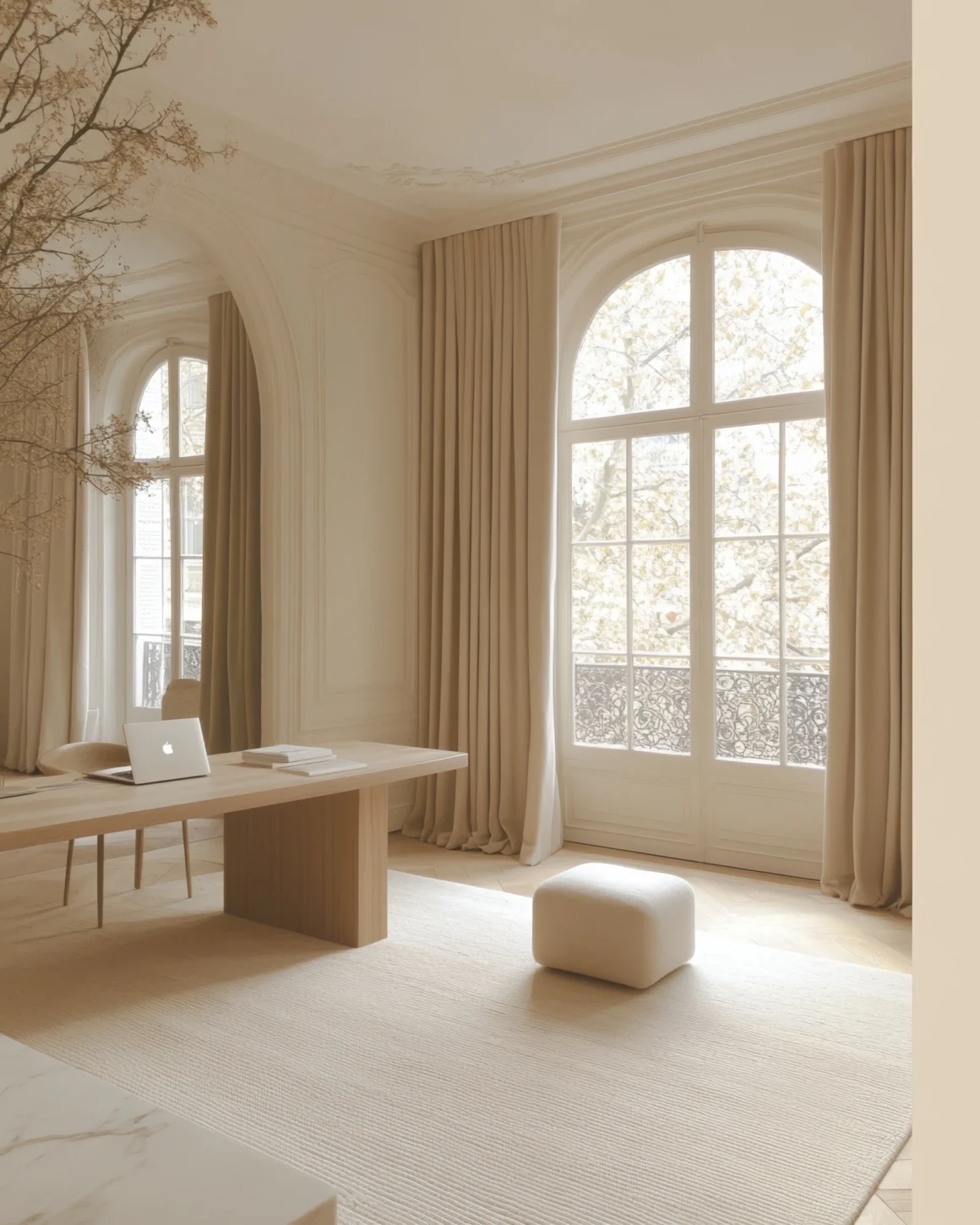
At its core, old money style is about continuity. The clothing reflects inherited social codes — ways of dressing that signal familiarity with established institutions, traditions, and environments. Certain combinations persist not because they are newly refined, but because they have historically belonged to a particular world: loafers, tweed, cashmere, riding jackets, signet rings, heritage tailoring, navy blazers, striped shirting.
The emphasis is less on novelty and more on preservation.
This is why old money style often feels stable and recognizable. The wardrobe is not trying to reinvent itself. It relies on repetition, consistency, and visual predictability rooted in long-standing cultural associations.
But continuity can also become limiting when the aesthetic is treated too rigidly. The clothing may begin to feel more performative than personal — more concerned with maintaining a recognizable image than developing an individual visual language.
Quiet luxury overlaps with old money style in its appreciation for quality, restraint, and longevity, but it is ultimately less tied to inherited codes.
Old money style asks:
What has always been worn?
Quiet luxury asks:
What continues to feel worth wearing now?
The distinction is subtle, but important.
One preserves tradition.
The other prioritizes discernment.
Quiet Luxury: Discernment Over Display
Quiet luxury is often reduced to a visual formula: neutral palettes, understated tailoring, fine materials, and clothing without visible logos.
But quiet luxury is not simply an aesthetic shorthand for looking expensive.
At its core, it is a philosophy of discernment.
That distinction matters: when quiet luxury becomes a way of choosing rather than a formula for looking a certain way, it begins to function as a practice. Quiet Luxury Is a Practice, Not a Look explores that idea more fully.
Where minimalism seeks clarity through reduction, and old money style preserves established visual codes, quiet luxury is concerned with refinement — choosing what continues to feel relevant, functional, and quietly coherent over time.
This changes the role clothing plays in the wardrobe.
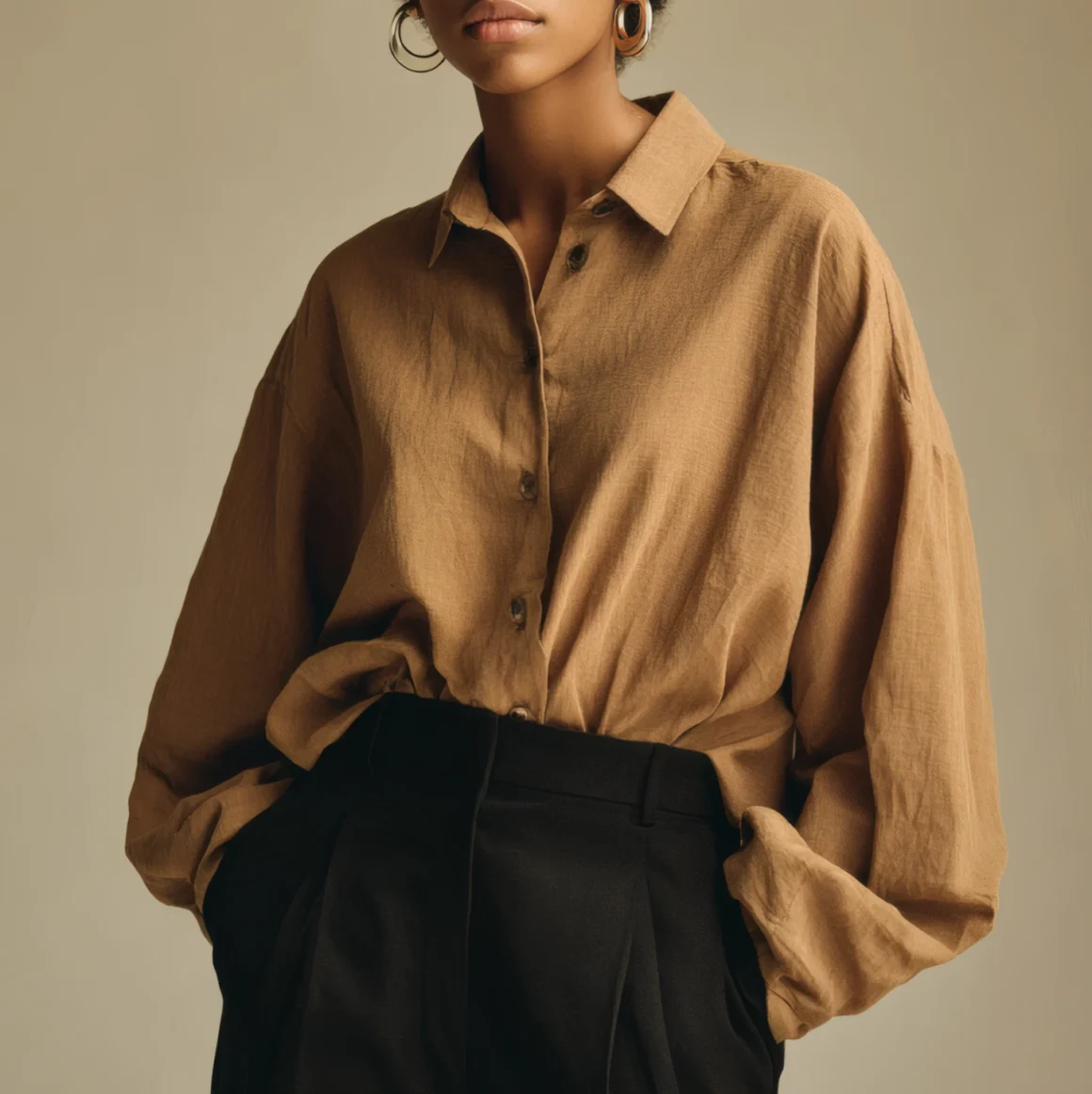
Instead of dressing for visibility, the focus shifts toward integration. Pieces are chosen not because they immediately attract attention, but because they continue working long after the novelty of acquisition fades. The wardrobe becomes less dependent on constant reinvention and more dependent on consistency: repeated silhouettes, grounded proportions, familiar textures, and clothing that settles naturally into daily life.
This is why quiet luxury often feels calmer than trend-driven dressing.
The clothing is no longer trying to announce status, perform taste, or signal belonging through obvious markers. Refinement comes therough visual steadiness instead: a coat that hangs cleanly through the shoulder, a trouser that maintains its line throughout the day, a knit that softens rather than collapses with wear.
The effect is subtle, but cumulative.
Over time, the wardrobe begins to feel edited rather than accumulated. The pieces relate to one another more naturally. Getting dressed requires less correction. Repetition starts to feel intentional instead of unfinished.
Quiet luxury also leaves more room for authorship.
It does not require strict minimalism or inherited traditions to feel convincing. The wardrobe evolves through observation — noticing which fabrics create ease, which colors continue to feel grounding, which silhouettes remain wearable across different versions of life.
Minimalism asks:
What can I remove?
Old money style asks:
What has always been worn?
Quiet luxury asks:
What deserves to remain?
That distinction is what separates quiet luxury from aesthetics built primarily around image.
One seeks reduction.
One preserves tradition.
One refines through intentionality.
Quiet Luxury Feels More Contemporary
Part of what separates quiet luxury from old money style is its relationship to modern life.
Old money style often preserves established visual traditions — clothing associated with continuity, inherited environments, and recognizable social codes.
Quiet luxury is usually more adaptive.
The wardrobe is not trying to replicate a historical image or maintain a traditional uniform. It evolves through observation: how clothing functions across work, movement, travel, repetition, changing priorities, and everyday life.
This is why quiet luxury often feels more personal and less performative. The emphasis shifts away from belonging to a recognizable aesthetic category and toward building a wardrobe that feels increasingly resolved over time.
How These Aesthetics Differ in Practice
A minimalist wardrobe may rely on stark contrast, strict editing, and visual uniformity: black trousers, white shirting, sharp lines, little ornamentation.
An old money wardrobe may feel more traditional: heritage fabrics, loafers, navy tailoring, equestrian references, pieces associated with long-standing social environments.
A quiet luxury wardrobe is usually less rigid. The emphasis shifts toward texture, proportion, drape, repetition, and clothing that integrates natually into modern life without obvious signaling.
At a glance, all three may appear restrained. The distinction usually appears through proportion, texture, styling, and repetition rather than any single item alone.
The Difference Is Often Compositional
At first glance, quiet luxury, minimalism, and old money style can appear visually similar. All three tend to avoid obvious excess and rely on restrained styling.
But the difference is often compositional rather than categorical.
Minimalism usually creates clarity through reduction: sharper contrast, cleaner lines, fewer competing visual elements, more deliberate emptiness.
Old money style tends to communicate continuity through familiarity — traditional layering, heritage textures, recognizable combinations, and proportions associated with long-standing social environments.
Quiet luxury often feels softer and more integrated. The emphasis shifts toward visual steadiness: fluid drape, tonal layering, tactile materials, balanced proportions, and clothing that appears settled rather than overly constructed.
The eye registers these differences quickly, even when the individual pieces themselves are relatively simple.
This is why refinement is often communicated less through visible luxury and more through composition — how texture, silhouette, proportion, and repetition interact together over time.
Similar Aesthetics, Different Motivations
Quiet luxury, minimalism, and old money style are often grouped together because they share a visual restraint that feels increasingly rare in trend-driven fashion.
But beneath the surface, they are guided by different instincts.
Minimalism seeks clarity through reduction.
Old money style preserves continuity through inherited visual codes.
Quiet luxury is built through editing rather than accumulation — not by simply owning fewer things, or replicating a recognizable image, but learning what continues to feel grounded, functional, and quietly coherent over time.
This is why quiet luxury often feels less like a strict aesthetic and more like a process of observation.
The wardrobe becomes calmer not because every piece matches perfectly, but because the clothing begins relating more naturally to the life being lived inside it.
Gradually, the goal shifts away from constructing an image and toward creating a sense of visual steadiness — a wardrobe built less on performance, and more on recognition.
Common Questions About Quiet Luxury, Minimalism, and Old Money Style
These aesthetics often overlap visually, which is why the distinctions between them can feel difficult to define at first. The differences usually become clearer when looking beyond the clothing itself and toward the values each style is trying to communicate.
Is quiet luxury the same as old money style?
No. While quiet luxury and old money style often share understated clothing, neutral palettes, and restrained styling, they are rooted in different ideas.
Old money style is more closely tied to inherited traditions, continuity, and established social codes. Quiet luxury is more contemporary and centered on discernment—choosing clothing for its proportion, quality, longevity, and ability to integrate naturally into modern life.
Why do quiet luxury, minimalism, and old money style look similar?
All three aesthetics tend to avoid excessive branding, trend-driven styling, and visual excess. They often rely on neutral colors, classic silhouettes, and understated combinations.
The similarities are mostly visual. The underlying motivations differ: minimalism prioritizes reduction, old money style preserves continuity, and quiet luxury focuses on refinement through discernment.
Can someone be both minimalist and quiet luxury?
Yes. The two aesthetics overlap naturally in their preference for restraint and reduced visual noise.
The difference is that minimalism usually prioritizes reduction itself, while quiet luxury is more concerned with refinement, texture, proportion, and the long-term relationship between clothing and daily life.
Is quiet luxury always expensive?
Not necessarily. Quiet luxury is less about price alone and more about cohesion, material quality, fit, and visual steadiness.
A wardrobe can feel refined through thoughtful repetition, proportion, fabric choice, and restraint without depending entirely on visibly expensive pieces.
What makes quiet luxury feel more modern than old money style?
Quiet luxury is usually less tied to inherited dress codes or traditional social environments. It tends to adapt more fluidly to contemporary life, professional dressing, and personal authorship.
Old money style often preserves recognizable traditions, while quiet luxury evolves more through observation, editing, and intentional refinement over time.
Similar aesthetics become clearer when you understand what drives them.
The differences between quiet luxury, old money style, and minimalism are often less visible than they first appear. The distinction usually lies in intention, composition, and the choices each aesthetic prioritizes.
These guides continue the conversation through discernment, subtle signals, and the practical ways those ideas shape a wardrobe.

