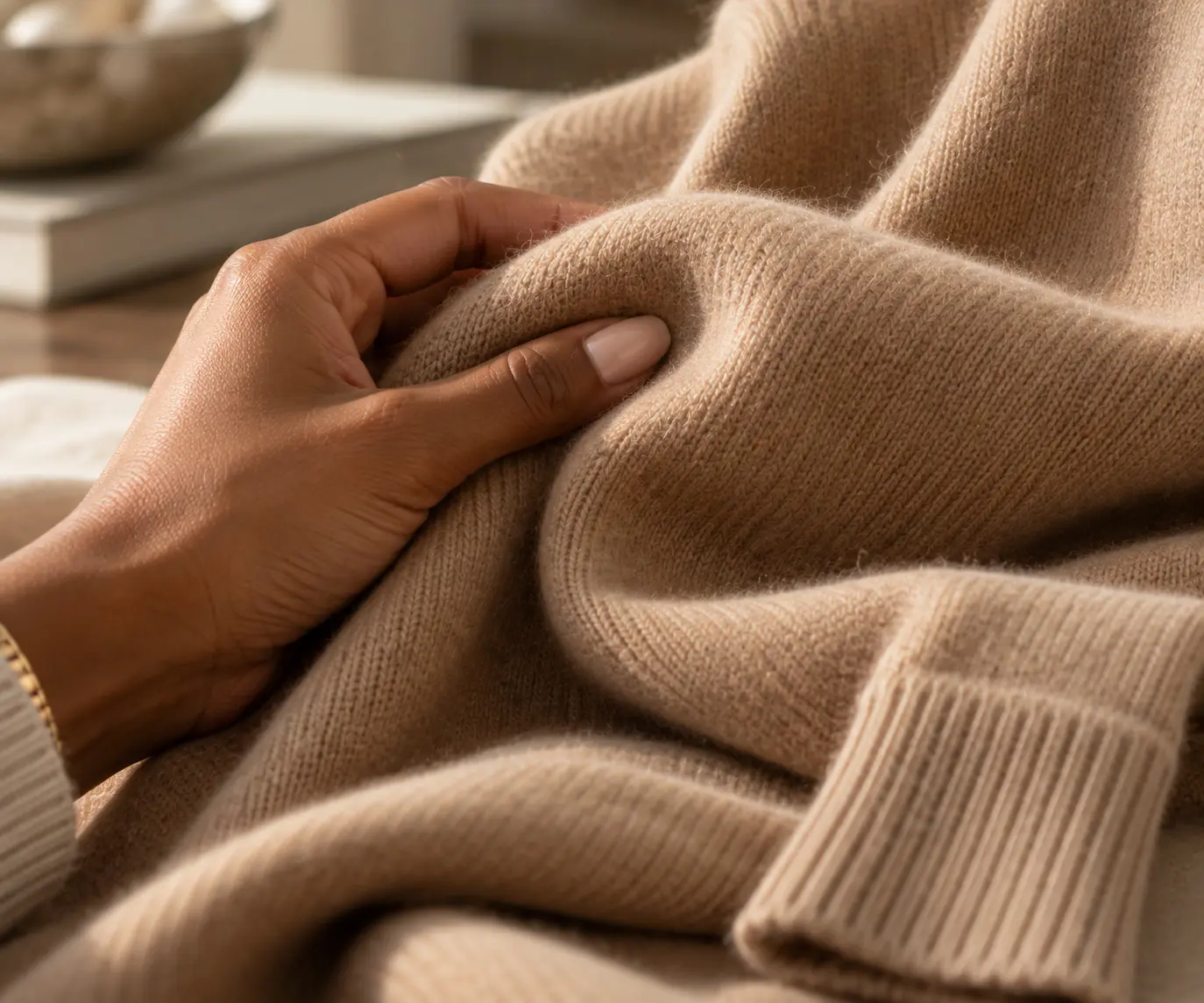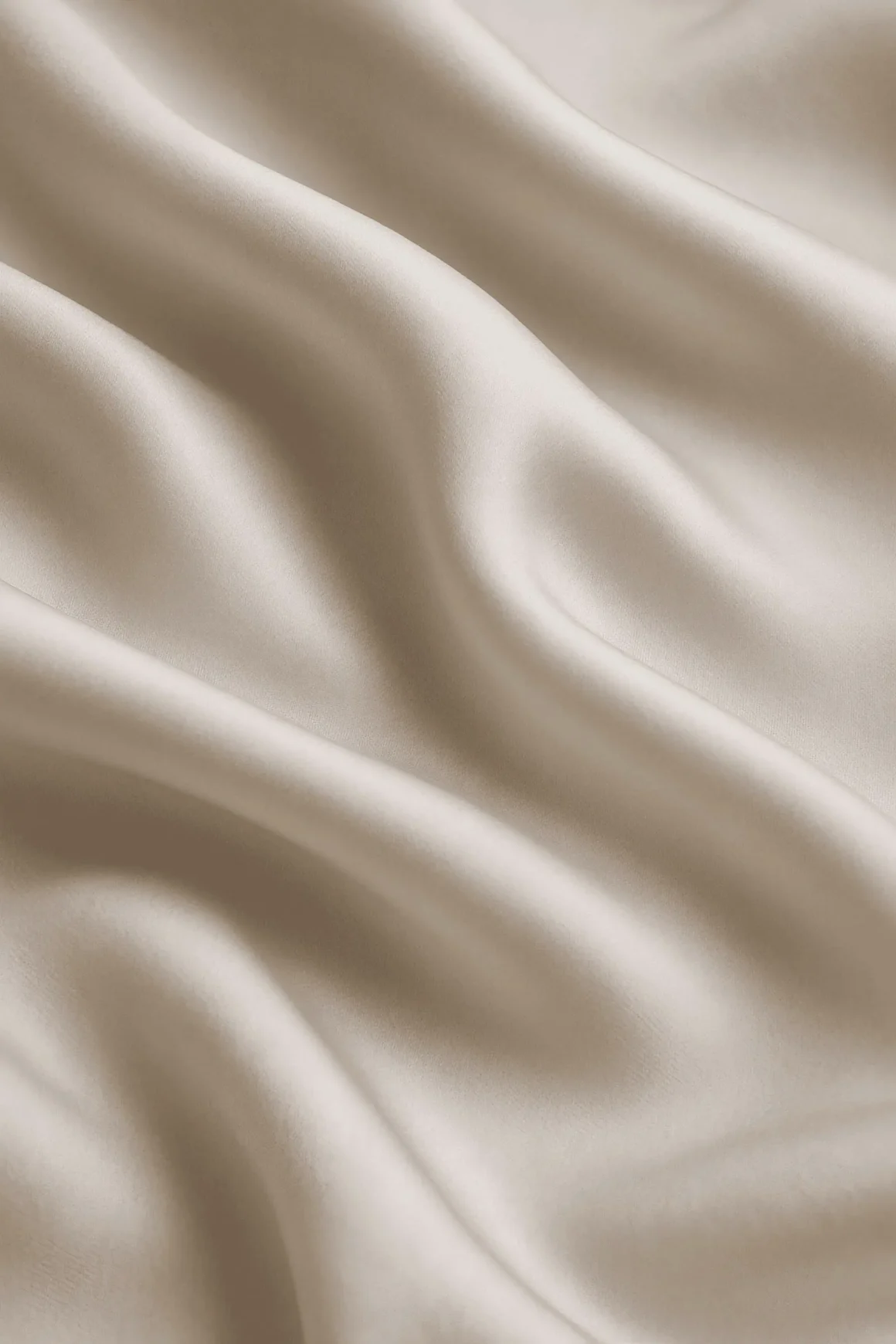
Some fabrics make clothing look instantly more elevated — even when the garment itself is simple or moderately priced. The fabrics that make clothes look expensive are rarely the loudest or the trendiest. Instead, they tend to have soft structure, natural texture, elegant drape, and a finish that feels understated rather than overly polished.
This is one of the quiet distinctions behind quiet luxury style. A tailored wool coat, a crisp cotton poplin shirt, or a softly draped knit often appears more refined not because of a visible label, but because the fabric moves well, holds shape beautifully, and reflects light in a calmer, more considered way.
Understanding fabric changes the way you shop for clothing. Instead of focusing only on brand names or price points, you begin noticing weight, texture, drape, lining, and finish — the subtle details that quietly influence whether clothing feels elegant, timeless, and expensive-looking.
If you want a more practical way to evaluate the cloth itself before you buy, learning how to judge fabric quality means looking beyond the fiber label to density, surface, resilience and how the material behaves in the hand.
In this guide, we’ll look at the fabrics most associated with quiet luxury, why certain materials look more elevated than others, and the small fabric details that make clothing appear polished well before anyone notices the label.
Quick answer
What makes a dress look expensive?
A dress tends to look expensive when its fabric, construction, and finishing work together to create a clean, intentional result.
Look for fabric with enough weight, opacity, and drape to hold the intended shape; construction that lies cleanly against the body; and finishing details that appear precise. Fit, lining, seam quality, pattern alignment, and restraint often matter more than the price tag or fiber name alone.
Fabric is the foundation of the effect—but how it behaves and how the garment is constructed determine whether the finished piece looks polished.
What Makes Fabric Look Expensive?
Fabric influences how clothing is perceived before a logo, brand label, or price tag does.
Even simple clothing can look elevated when the material carries enough weight, texture, softness, or structure to move well on the body. In quieter wardrobes especially, fabric often becomes the detail that determines whether an outfit feels polished, relaxed, intentional, or visually finished.
One of the clearest differences between expensive-looking clothing and lower-quality clothing is how the fabric behaves in motion.
Refined fabrics tend to:
- drape naturally rather than cling awkwardly
- hold their shape without appearing stiff
- reflect light softly instead of sharply
- develop texture and depth rather than excessive shine
- create cleaner lines throughout the silhouette
This is why a simple wool coat can appear more luxurious than a heavily embellished synthetic one, or why a crisp cotton shirt often feels more elevated than fabric that stretches, twists, or collapses too easily.
Weight also matters.
Fabric that is too thin can sometimes make clothing feel visually unstable, especially in tailoring, trousers, dresses, and knitwear. Materials with a bit more density tend to hold proportion better, skim the body more naturally, and create the quiet structure associated with polished dressing.
Texture plays a similar role.
Quiet luxury fabrics rarely depend on obvious decoration. Instead, visual interest comes through brushed wool, soft cashmere, washed linen, suede, silk, twill, or tightly woven cotton — surfaces that create depth without overwhelming the outfit.
Finish matters too.
In many cases, matte fabrics appear more refined than highly reflective ones because they absorb light more softly. Excessive shine can sometimes make clothing look synthetic or trend-driven, while softer finishes tend to feel calmer, more understated, and more timeless.
This is one reason expensive-looking clothing often appears visually quieter overall.
The refinement comes less from excess and more from restraint: fabric with enough texture, drape, and structure to carry the outfit without relying on loud styling or visible branding.
Why Drape Matters More Than Price
One of the easiest ways to tell whether clothing feels refined is not the label — it is the drape.
Drape refers to the way fabric falls, moves, and settles on the body. Some materials skim naturally and create fluid lines, while others cling, collapse, pull, or hold awkward tension throughout the silhouette. Even expensive clothing can look less polished when the fabric lacks movement or hangs stiffly in the wrong places.
This is why drape often matters more than price alone.
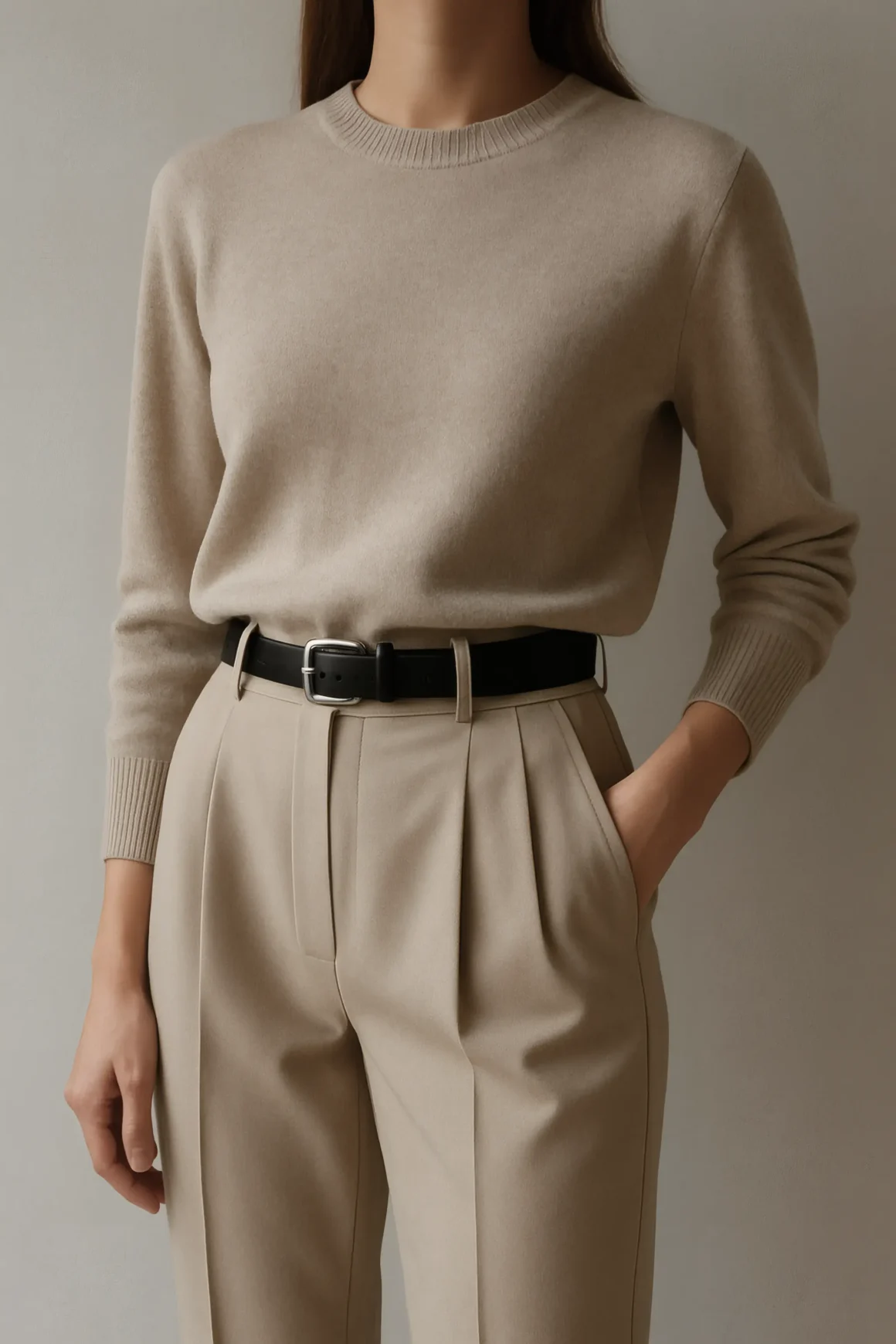
A well-cut wool trouser that falls cleanly from the hip usually looks more elevated than a heavily branded fabric that twists or catches awkwardly in motion. A softly structured knit can appear more luxurious than a trendy piece covered in embellishment if the material moves with enough softness and stability.
Good drape creates visual calm.
The fabric does not fight the body or overcompensate for it. Instead, it creates continuity through the silhouette:
- smoother lines
- softer movement
- cleaner proportions
- and less visual interruption overall
This is one reason quiet luxury clothing often appears understated at first glance. The refinement is not coming from obvious decoration. It comes from how the fabric behaves.
Natural fibers tend to drape especially well because they carry more depth and flexibility. Wool softens tailoring. Silk moves fluidly without appearing overly rigid. Linen develops relaxed texture while still maintaining shape. Even structured cotton poplin creates a cleaner line than thinner synthetic blends that wrinkle or collapse too easily.
Drape also changes the emotional impression of clothing.
Garments that move naturally tend to feel calmer, more effortless, and more composed. Clothing with poor drape can sometimes create the opposite effect — tension, stiffness, cling, or visual instability — even when the outfit itself is technically expensive.
This is often why refined wardrobes rely less on trend pieces and more on fabrics that continue to move beautifully over time.
Because in the end, elegant clothing is rarely only about appearance. It is also about movement, ease, and the quiet confidence created when fabric settles naturally into the life of the person wearing it.
The Fabrics Most Associated with Quiet Luxury
Quiet luxury fabrics tend to share a few qualities in common.
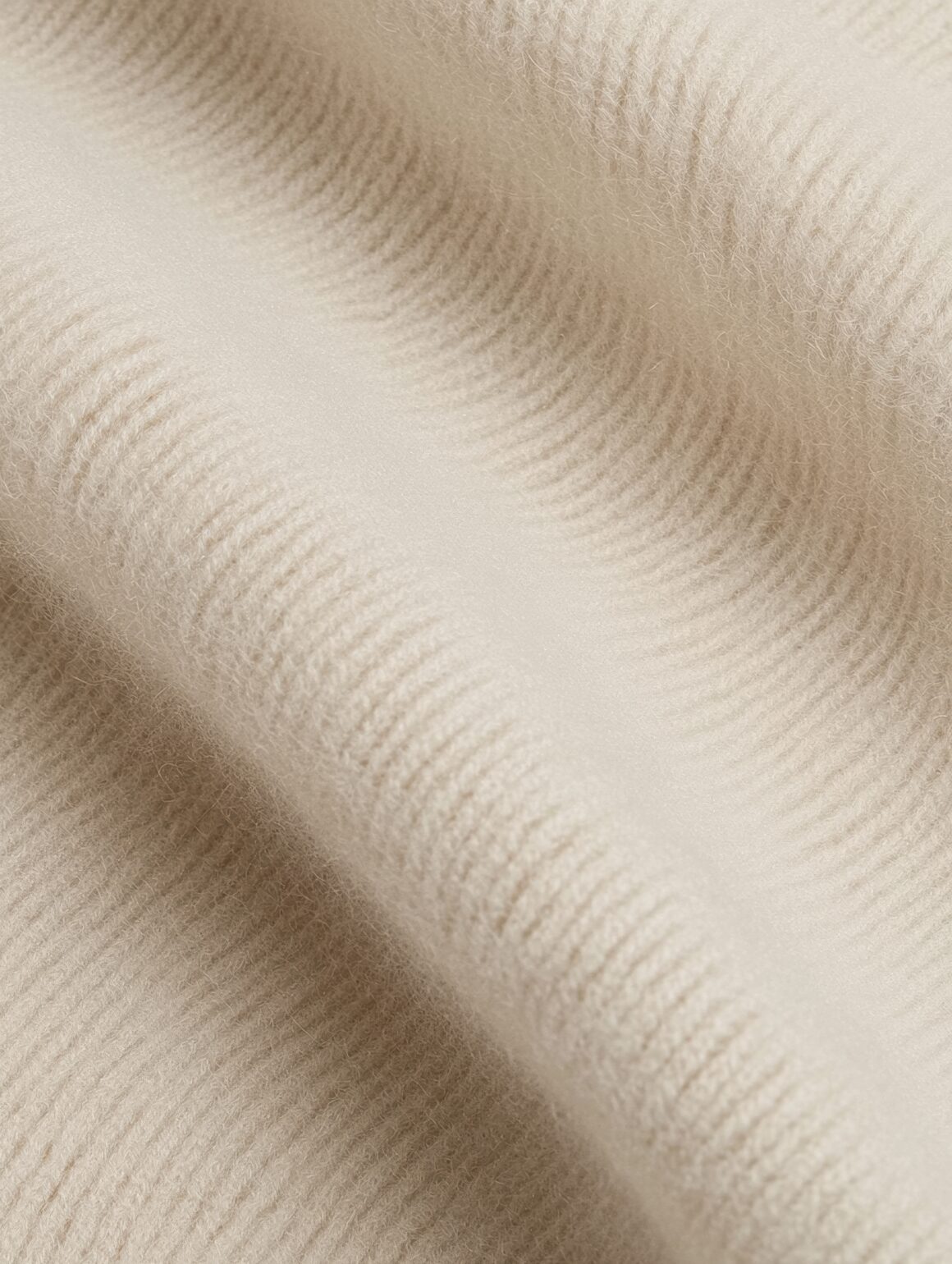
They hold shape without appearing rigid. They develop texture rather than excessive shine. They move naturally on the body and often become more beautiful with wear rather than less. Instead of relying on obvious embellishment, these materials create refinement through depth, softness, structure, and restraint.
Wool
Wool is one of the foundational fabrics of quiet luxury dressing because it combines structure with softness.
A good wool coat, trouser, or blazer creates a clean silhouette while still allowing movement and drape. Wool also absorbs light softly, which gives clothing a calmer and more understated appearance compared to fabrics with excessive sheen.
Brushed wool, merino, wool crepe, and wool twill are especially common in refined wardrobes because they layer well and maintain shape beautifully over time.
Cashmere
Cashmere is associated with quiet luxury less because it is expensive and more because of how it softens a silhouette.
Fine cashmere creates warmth without bulk and movement without heaviness. It adds texture quietly, especially in knitwear, scarves, and layering pieces. In understated wardrobes, cashmere often works best in restrained colors like cream, charcoal, camel, navy, oatmeal, or black, where the texture itself becomes the focus. If you’re comparing sweaters, the full cashmere guide explains how to judge fiber quality, construction, softness, pilling, and whether a high price is actually justified.
Silk
Silk introduces fluidity and softness into a wardrobe.
Unlike overly glossy satin or synthetic shine, quality silk tends to reflect light more subtly. Silk blouses, dresses, and scarves create movement throughout an outfit while still feeling refined and controlled. The elegance comes from the drape and finish rather than visible ornamentation.
Linen
Linen brings texture and ease.
One of the reasons linen works so well within quiet luxury wardrobes is that it embraces natural imperfection gracefully. The fabric wrinkles softly rather than sharply, creating a relaxed but intentional appearance. Higher-quality linen also develops character over time, especially in tailoring, shirting, dresses, and warm-weather layering.
Cotton Poplin
Crisp cotton poplin is often overlooked, but it remains one of the cleanest and most versatile fabrics in refined dressing.
A structured white shirt in quality cotton poplin creates sharpness without stiffness. The fabric holds line well, layers easily beneath tailoring, and maintains visual clarity even in simple outfits. Soft structure is often what makes comfortable clothes still look polished and feel more elevated than overly stiff tailoring.
In many wardrobes, it becomes one of the most repeated and dependable materials.
Suede and Soft Leather
Quiet luxury often favors leather with texture rather than excessive gloss.
Suede, brushed leather, and smooth matte leather tend to feel more understated because they absorb light softly and age beautifully with wear. Structured suede bags, leather loafers, belts, and jackets create depth without overpowering the outfit.
Twill and Structured Cotton Blends
Twill fabrics and heavier cotton blends are frequently used in refined trousers, trench coats, and outerwear because they provide weight and shape without excessive stiffness.
These fabrics help clothing maintain cleaner lines throughout the day, which is one reason they are so common in modern professional wardrobes and capsule dressing.
Across all of these materials, the pattern remains similar: the fabrics most associated with quiet luxury rarely demand attention immediately. Their refinement becomes more noticeable through movement, texture, longevity, and repeated wear over time.
Why Matte Fabrics Often Look More Luxurious Than Shiny Ones
One of the quiet visual distinctions between refined clothing and trend-driven clothing is often the way the fabric handles light.
Matte fabrics tend to absorb light softly, while highly shiny fabrics reflect it sharply. That softer reflection creates depth, texture, and visual calm — qualities frequently associated with quiet luxury dressing and expensive-looking clothing.
This is one reason understated wardrobes often feel more elevated even when the silhouettes themselves remain simple.
A matte wool coat, brushed cashmere knit, suede loafer, or crisp cotton shirt allows the eye to move across the outfit more gradually. The texture becomes noticeable before the fabric itself demands attention. In contrast, excessive shine can sometimes create visual interruption, causing clothing to feel louder, more synthetic, or more trend-dependent.
The difference is not necessarily about whether shine is “good” or “bad.”
It is about intensity.
High-gloss satin, overly reflective polyester, plastic-coated finishes, and synthetic sheen often bounce light harshly, which can flatten texture and make fabric appear less substantial. Matte fabrics usually create the opposite effect: they allow texture, drape, tailoring, and proportion to remain visible without overwhelming the outfit.
This is especially important in quiet luxury wardrobes, where refinement often depends on restraint rather than decoration.
Texture replaces embellishment. Weight replaces excess styling. Soft structure replaces obvious statement dressing.
Matte finishes also tend to age more gracefully.
Brushed wool develops softness. Linen gains character. Leather acquires patina. Cotton softens with wear. These surfaces become more interesting over time rather than looking overly pristine or artificial.
That subtle evolution is part of what makes quiet luxury feel timeless.
The clothing does not rely on immediate visual impact. Instead, it creates refinement gradually through texture, movement, and repetition — details that become more noticeable the longer the garment is worn and the more closely it is observed.
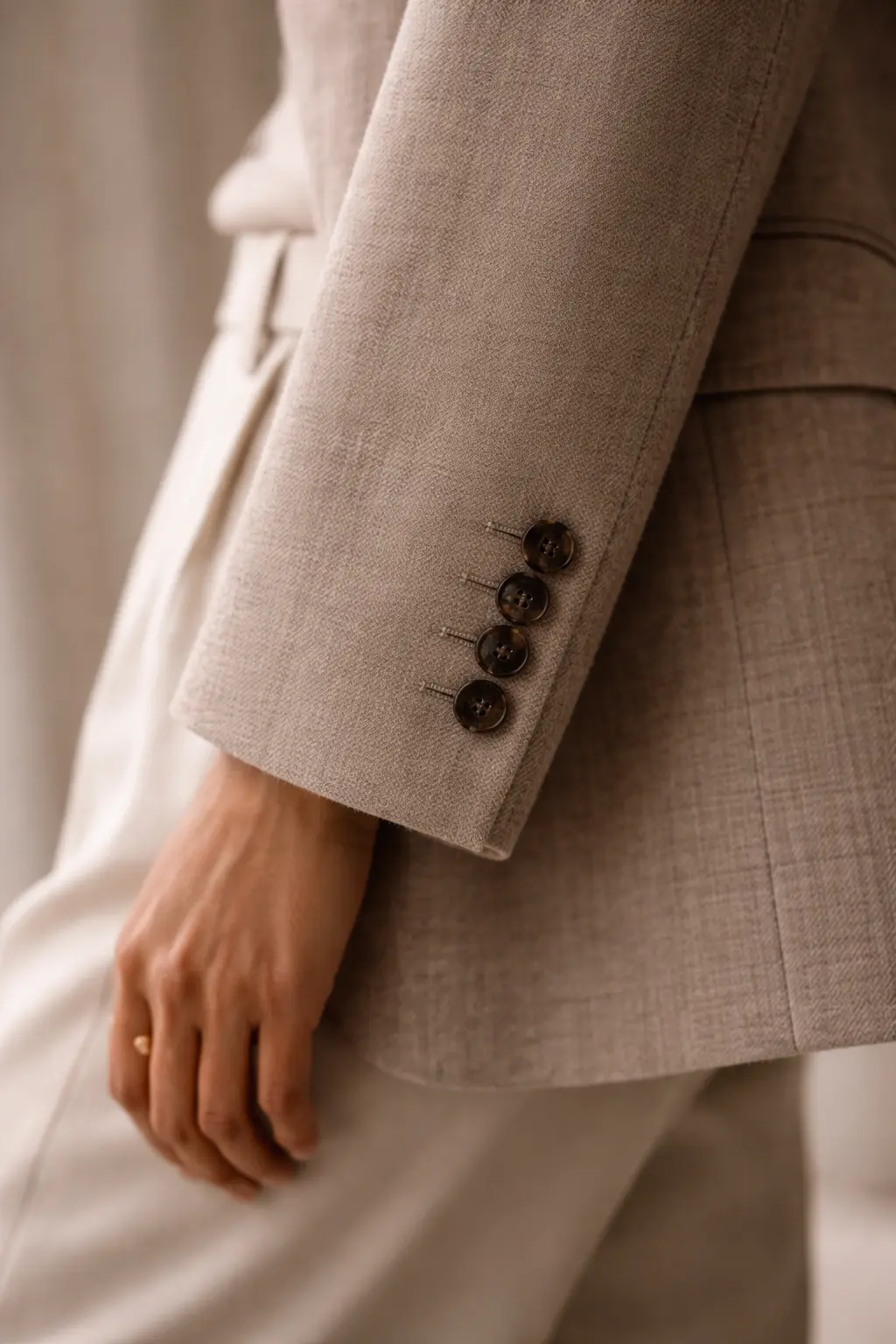
The Difference Between Cheap and Expensive-Looking Fabric
The difference between cheap and expensive-looking fabric is not always about price.
More often, it comes down to how the material behaves: how it drapes, reflects light, holds shape, responds to movement, and settles into the overall silhouette of the garment.
Expensive-looking fabrics tend to create visual steadiness.
They usually have:
- enough weight to hold proportion
- enough softness to move naturally
- texture that creates depth
- and a finish that feels restrained rather than overly glossy
Even simple clothing can appear refined when the fabric carries these qualities well.
Cheaper-looking fabrics often create the opposite effect.
The material may cling awkwardly, wrinkle sharply, stretch unevenly, twist at seams, or reflect light too intensely. Thin synthetic fabrics can sometimes flatten the silhouette instead of supporting it, making tailoring look less intentional and clothing feel visually unstable throughout the day.
This is especially noticeable in:
- trousers that lose shape quickly
- blazers with overly stiff synthetic lining
- dresses with excessive shine
- knitwear that pills immediately
- or fabrics that appear translucent under light
Texture also changes perception significantly.
High quality fabrics usually contain some visual depth: brushed wool, tightly woven cotton, washed linen, soft suede, silk crepe, structured twill. Even when understated, these materials create dimension because the surface itself carries subtle variation.
Cheaper fabrics often appear visually flatter.
The surface may look overly smooth, plastic-like, slippery, or reflective in a way that removes depth from the garment rather than adding to it. This is one reason excessive synthetic shine can sometimes make clothing appear less elevated, even when the design itself is beautiful.
Construction matters alongside fabric quality.
Good fabric paired with poor lining, weak seams, thin interfacing, or uneven tailoring can still diminish the overall effect. Likewise, a mid-priced garment with strong structure, thoughtful finishing, and better material selection can often appear far more expensive than its label suggests.
This is why quiet luxury dressing hinges on insight rather than branding alone.
The clothing does not need to announce itself loudly. The refinement is often communicated more quietly through:
- fabric weight
- texture
- movement
- finish
- tailoring
- and how consistently the garment maintains its shape over time.
In many cases, these smaller details are what create the impression of elegance far sooner than anyone notices where the clothing came from.
How Texture, Weight, and Finish Change the Way Clothing Looks
Much of what people perceive as elegance in clothing comes from qualities they do not immediately identify by name.
Texture, weight, and finish quietly shape how garments hold their form, interact with light, move on the body, and relate to the rest of an outfit. These details influence whether clothing feels polished and expensive-looking or visually flat and unfinished — even when the silhouette itself is simple.
Texture Creates Depth
Texture is often what gives quiet luxury clothing its sense of richness without relying on heavy pattern or decoration.
Brushed wool, washed linen, soft suede, silk crepe, ribbed knits, and structured cotton all create subtle variation across the surface of the fabric. This variation allows the eye to move more gradually across an outfit, which creates dimension and visual calm at the same time.
Without texture, clothing can sometimes appear overly stark or flat, especially in neutral palettes.
This is one reason quiet wardrobes rarely depend on bright color or obvious embellishment for interest. Texture becomes the detail that keeps simple outfits from feeling empty.
Weight Creates Structure
Fabric weight changes the way clothing hangs and moves.
Heavier materials usually create cleaner lines because they resist twisting, clinging, or collapsing too easily. A wool trouser with enough density maintains shape throughout the day. A structured coat creates continuity through the silhouette. A heavier cotton shirt feels sharper and more intentional than fabric that appears too thin or transparent.
Weight also affects how polished clothing appears in motion.
Lighter fabrics can sometimes pull awkwardly or lose definition as the body moves, while slightly denser materials tend to skim more smoothly and hold proportion more consistently. This is often why tailored clothing feels more elevated when the fabric carries enough substance to support the design.
Finish Changes How Clothing Reflects Light
Finish refers to the surface quality of a fabric — whether it appears brushed, matte, crisp, smooth, glossy, washed, soft, or highly reflective.
This is one of the quietest but most important distinctions in expensive-looking clothing.
Matte finishes usually feel more refined because they soften light rather than bouncing it sharply back toward the eye. Brushed wool, soft cashmere, washed silk, suede, and tightly woven cotton often appear more understated because their surfaces create depth without excessive shine.
Highly reflective finishes can sometimes create visual noise instead. Excess gloss may flatten texture, emphasize wrinkles, or make synthetic fabrics feel more obvious under direct light.
This is why many quiet luxury wardrobes rely on fabrics that feel softer visually rather than louder.
The refinement comes not from obvious statement dressing, but from materials that create enough texture, weight, and depth to hold attention quietly over time.
Fabric Is the Foundation—Not the Whole Effect
Fabric is one of the first things we notice about a garment, but it does not create the finished effect alone. Even a beautiful material can look disappointing when the fit is awkward, the seams pull, the lining is inadequate, or the proportions feel unresolved.
Conversely, a modestly priced fabric can look remarkably polished when it has the right weight and drape, the construction is clean, and the garment fits as intended. The most expensive-looking clothes are usually the result of several quiet decisions working together rather than one prestigious fiber name.
Refinement may begin with fabric, but it continues through fit, proportion, construction, color, and restraint.
Explore the other details that make clothing look expensive—even when it isn’t →
Quiet Luxury Fabrics FAQs
What fabric makes clothes look expensive?
Fabrics with natural texture, soft drape, subtle weight, and matte finishes tend to look the most expensive. Wool, cashmere, silk, linen, cotton poplin, suede, and quality twill are often associated with quiet luxury because they move well and hold their shape without appearing overly shiny or synthetic.
Why does fabric matter more than the brand label?
Fabric affects how clothing catches light, folds, hangs, wrinkles, and wears over time. Even a simple silhouette can feel elevated when the material has good structure and drape.
In many cases, fabric quality is what makes clothing look refined long before a logo or label is noticed.
What makes fabric look cheap?
Extremely thin materials, excessive shine, stiff synthetic texture, poor lining, and fabric that loses shape easily can make clothing appear less refined.
Cheap-looking fabric often reflects light harshly or lacks enough weight and texture to drape naturally on the body.
Does expensive-looking fabric always have to be natural?
Not always. While natural fibers are often associated with luxury, fabric finish and construction matter just as much.
Some blended fabrics perform beautifully when they have softness, density, and clean tailoring. The goal is not perfection—it is visual balance, texture, and movement.
Why is drape important in clothing?
Drape refers to how fabric falls and moves on the body. Clothing with good drape tends to look softer, calmer, and more elegant because it moves naturally rather than appearing stiff or overly rigid.
This is one reason fabrics like silk, wool blends, and quality linen often feel more elevated.
Do matte fabrics look more luxurious than shiny fabrics?
In quiet luxury styling, matte fabrics are often perceived as more refined because they absorb light softly rather than reflecting it sharply.
Excessive shine can sometimes make fabric appear synthetic or trend-driven, while softer finishes tend to feel more understated and timeless.
What are the best fabrics for a quiet luxury wardrobe?
Wool, cashmere, linen, cotton poplin, suede, silk, and structured cotton blends are among the most versatile fabrics for a quiet luxury wardrobe.
These materials layer well, age gracefully, and create the soft structure and texture associated with polished, understated dressing.
Can affordable clothing still look luxurious?
Yes. Clothing does not need to be designer to look elevated. Choosing better fabric texture, proper fit, thoughtful tailoring, and cohesive color palettes can make even mid-priced clothing appear more refined.
Often, restraint and fabric quality matter more than price alone.
Refinement often begins with noticing what you’re looking at.
Expensive-looking clothing isn’t always expensive. Drape, texture, structure, and finish shape the way garments are perceived. These pieces explore how to recognize those signals and use them to build a wardrobe with greater clarity and discernment.