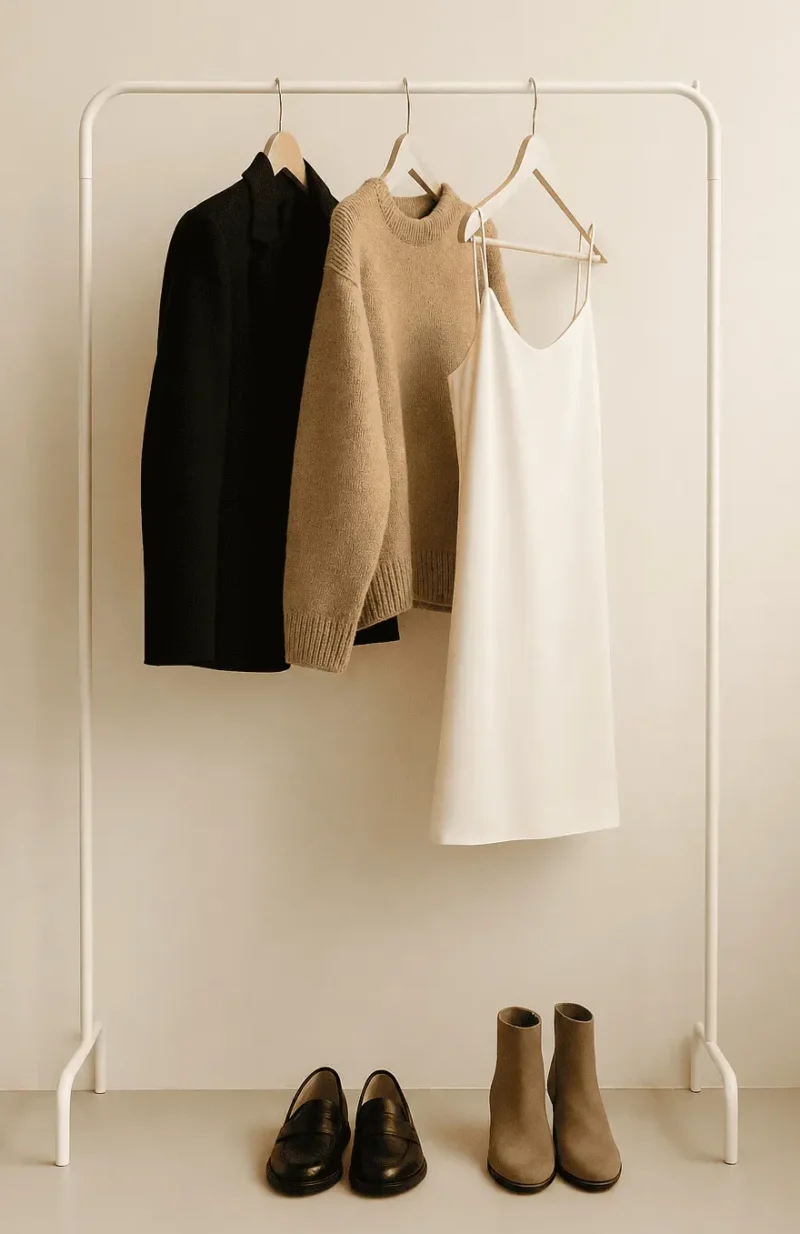
Building a quiet luxury wardrobe from scratch doesn’t usually mean starting from nothing—or replacing everything you own.
More often, it begins with the sense that what you have isn’t working—pieces that feel disconnected, outfits that require too much adjustment, a wardrobe that looks complete but doesn’t feel settled.
Starting from scratch, in this context, is less about starting over and more about beginning again with clarity—understanding what a quiet luxury wardrobe actually is, and what allows it to feel cohesive in practice.
Not adding more—but understanding what actually belongs, and why.
How do you build a quiet luxury wardrobe from scratch?
You build a quiet luxury wardrobe from scratch by pausing before adding anything new, observing what you already wear, and building a small foundation of pieces that work together through silhouette, palette, and material. Instead of replacing everything, the process centers on clarity—refining what you have and adding only what strengthens the whole.
Most quiet luxury wardrobes settle into 10–15 pieces per season, not as a rule, but as a result of consistency and repeatability.
To build a quiet luxury wardrobe from scratch:
- Pause before adding — avoid buying until you can see what’s actually working
- Observe what you wear — notice silhouette, palette, and fabric in daily use
- Clarify your anchors — identify the shapes and tones that already feel right
- Build a few reliable outfits — start with simple combinations you can repeat
- Add slowly, with context — choose only what integrates naturally with what you own
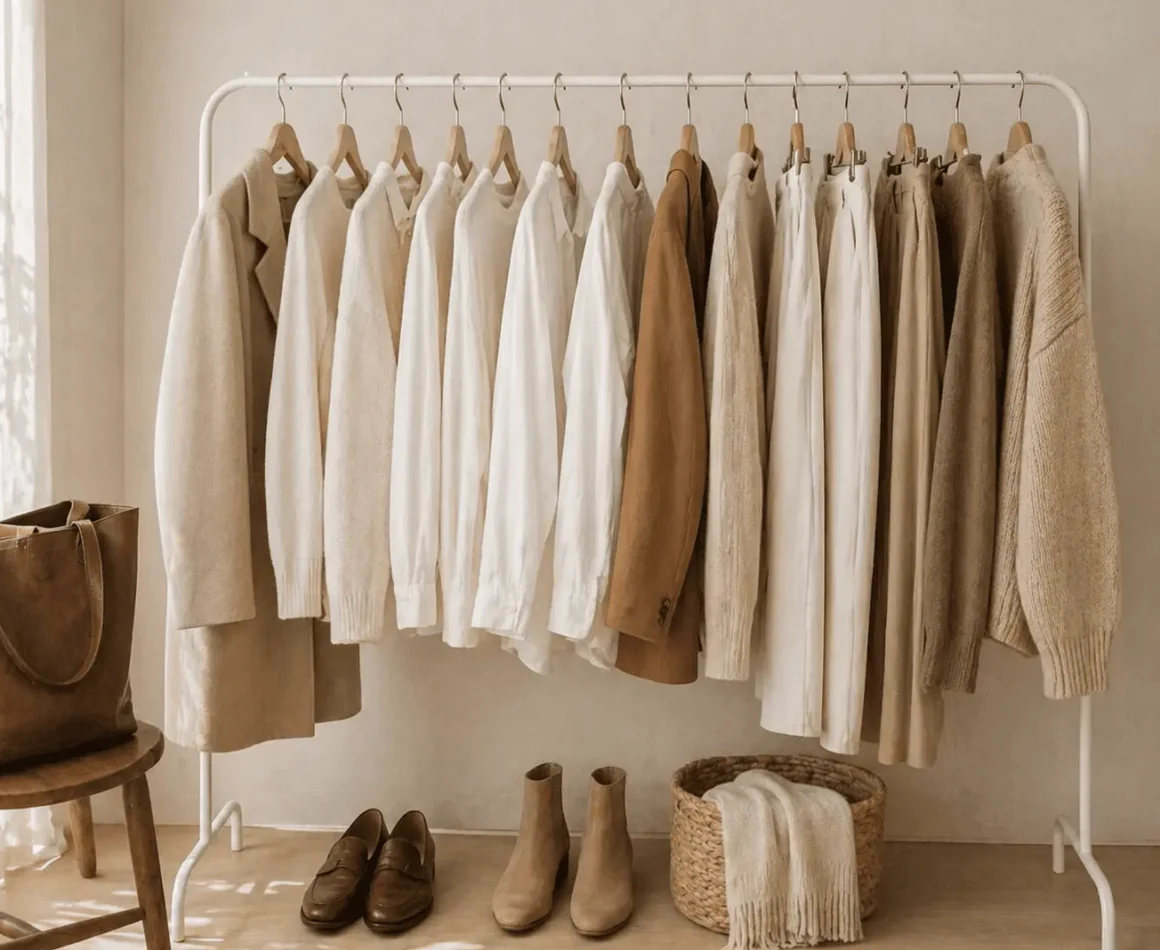
Start Without Adding
The instinct to start fresh often comes with the urge to replace everything at once.
But that’s usually where things begin to unravel again.
Building a quiet luxury wardrobe from scratch doesn’t start with buying. It starts with creating enough space to see clearly.
For a short period of time, don’t add anything new.
Let your wardrobe behave as it normally would—reach for what you reach for, repeat what you repeat, and notice what you avoid.
This isn’t about restriction. It’s about removing noise.
When you pause the cycle of adding, patterns begin to surface—often revealing that you rely on far fewer pieces than you think.
And those patterns are what the rest of the wardrobe will be built around.
Most wardrobes don’t need to be replaced. They need to be understood.
Notice What’s Already There
Once you stop adding, it becomes easier to see what’s already in place.
For a week or two, let your wardrobe move as it normally would.
Notice what you reach for without thinking—and what you leave behind.
Pay attention to a few quiet patterns:
- Silhouette — the shapes you return to most often
- Palette — the colors that sit easily together
- Material — what feels right from morning through the end of the day
These patterns tend to repeat, even in a wardrobe that feels inconsistent.
They’re not always the most interesting pieces—but they’re the ones that work.
What you wear most often tends to be smaller than expected—something that becomes clearer when you understand how many pieces a wardrobe actually needs.
And that’s where the structure begins.
You’re not creating something new yet—you’re recognizing what already holds.
Find Your Anchors
As you begin to notice patterns, a few consistencies start to stand out.
Certain shapes feel more natural. Certain colors work without effort. Certain fabrics are the ones you reach for, again and again.
These are your anchors.
Not rules to follow—but reference points.
They’re what allow a wardrobe to feel steady, even as pieces change around them.
You don’t need to define them perfectly.
It’s enough to recognize:
- the silhouettes you return to
- the colors that sit easily together
- the materials that hold their shape and feel right over time
From there, decisions become simpler.
Not because there are more options—but because there’s a clearer sense of what belongs.
These anchors often mirror the quiet luxury wardrobe essentials that consistently carry the most weight in a well-built wardrobe.
You’re not defining a style—you’re clarifying a direction.
Build 2-3 Reliable Outfits
Once your anchors are clearer, the next step isn’t to create more options.
It’s to create a few that already work.
Start with two or three simple combinations you can return to without hesitation.
Not outfits for specific occasions—but combinations that reflect how you actually move through your days.
They don’t need to be complicated:
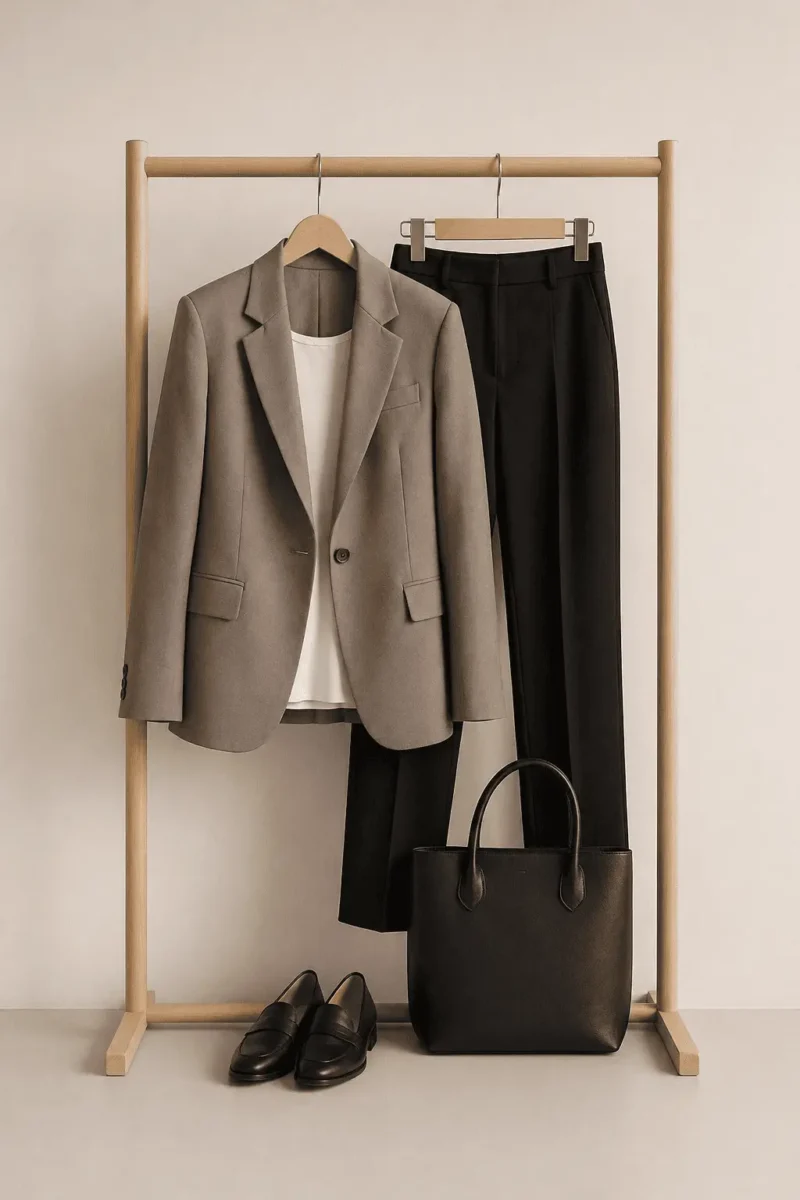
- a straight trouser, a knit, and a coat
- denim, a shirt, and a structured jacket
- a simple dress with a consistent shoe
The specifics matter less than the consistency.
What you’re looking for is a small set of combinations that feel settled—pieces that work together without needing to be corrected, balanced, or reconsidered once they’re on. What makes an outfit feel settled is usually quiet: proportion, texture, repetition, and restraint working together without calling attention to themselves.
This is often where a wardrobe begins to feel quieter.
You stop searching for something better and start trusting what already works and starts feeling reliable — the shift explored more fully in Why Repeating Outfits Is the Point.
From there, repetition stops feeling limiting.
It starts to feel like ease.
You’re not building variety yet—you’re building reliability.
And this is where a wardrobe begins to shift from something you’re assembling to something you can rely on—where a few combinations carry most of the weight, quietly and without adjustment, something that becomes easier to recognize once you see how a capsule wardrobe is actually worn in practice.
Add Slowly, With Awareness
Once you have a few combinations that work, it becomes easier to see what’s missing—and what isn’t.
This is where adding something new can be useful.
But only if it has a clear place.
Instead of asking “Do I like this?”, the question becomes:
Where does this fit?
Does it support one of your existing combinations? Does it align with the silhouettes, colors, and materials you’ve already identified? Can you see it being worn more than once, in more than one way?
If the answer isn’t clear, it’s usually a sign to wait.
Not because the piece is wrong—but because the timing is.
A quiet luxury wardrobe isn’t built through momentum. It’s built through decisions that continue to work over time.
Over time, this approach naturally settles into a smaller, more deliberate system.
The Purchase Pause Journal
This is often where building a wardrobe becomes less about understanding—and more about deciding.
What to keep. What to replace. What to leave alone.
The Quiet Luxe Purchase Pause Journal was created for that stage: a calm way to slow purchases down, map what you already own, and choose pieces that hold up over time.
Available as a PDF, with an optional short audio guide.
Explore the JournalWhat This Becomes Over Time
You don’t notice the shift all at once.
It shows up in smaller ways first—reaching for the same pieces without hesitation, getting dressed without second-guessing, realizing that most of what you own already works together.
The noise fades.
There’s less adjusting, less explaining, less of that low-level friction that used to sit in the background of your mornings. The clothes do what they’re meant to do, and then they get out of the way.
What’s left is a kind of quiet reliability.
A wardrobe that holds its shape, supports your life, and asks very little of you in return.
Not perfect. Not finished.
Just considered enough that you can stop thinking about it—and move on to everything else.
Building a quiet luxury wardrobe from scratch
Can you build a quiet luxury wardrobe without buying new clothes?
Yes. In most cases, building a quiet luxury wardrobe begins with understanding what you already own rather than replacing it. By identifying the pieces you wear repeatedly and removing those that create friction, your wardrobe often becomes more cohesive before you purchase anything new.
How many pieces do you need to build a quiet luxury wardrobe?
There isn’t a single number that works for everyone, but most wardrobes become easier to wear when built around a small foundation of versatile pieces. Once that foundation is established, additional pieces can be added slowly and intentionally.
What should you buy first when starting over?
Resist the urge to begin with shopping. Instead, identify what is genuinely missing after evaluating your current wardrobe. Purchase only the pieces that strengthen the wardrobe as a whole rather than solving a single outfit.
Is a quiet luxury wardrobe the same as a capsule wardrobe?
Not exactly. A capsule wardrobe emphasizes a limited collection of interchangeable pieces, while a quiet luxury wardrobe focuses on quality, cohesion, and thoughtful decision-making. Many quiet luxury wardrobes naturally resemble capsules, but the philosophy extends beyond a specific number of garments.
How long does it take to build a quiet luxury wardrobe?
It is usually a gradual process rather than a single shopping trip. As you refine what you own, recognize recurring patterns, and make fewer but better purchases, your wardrobe becomes more cohesive over time.
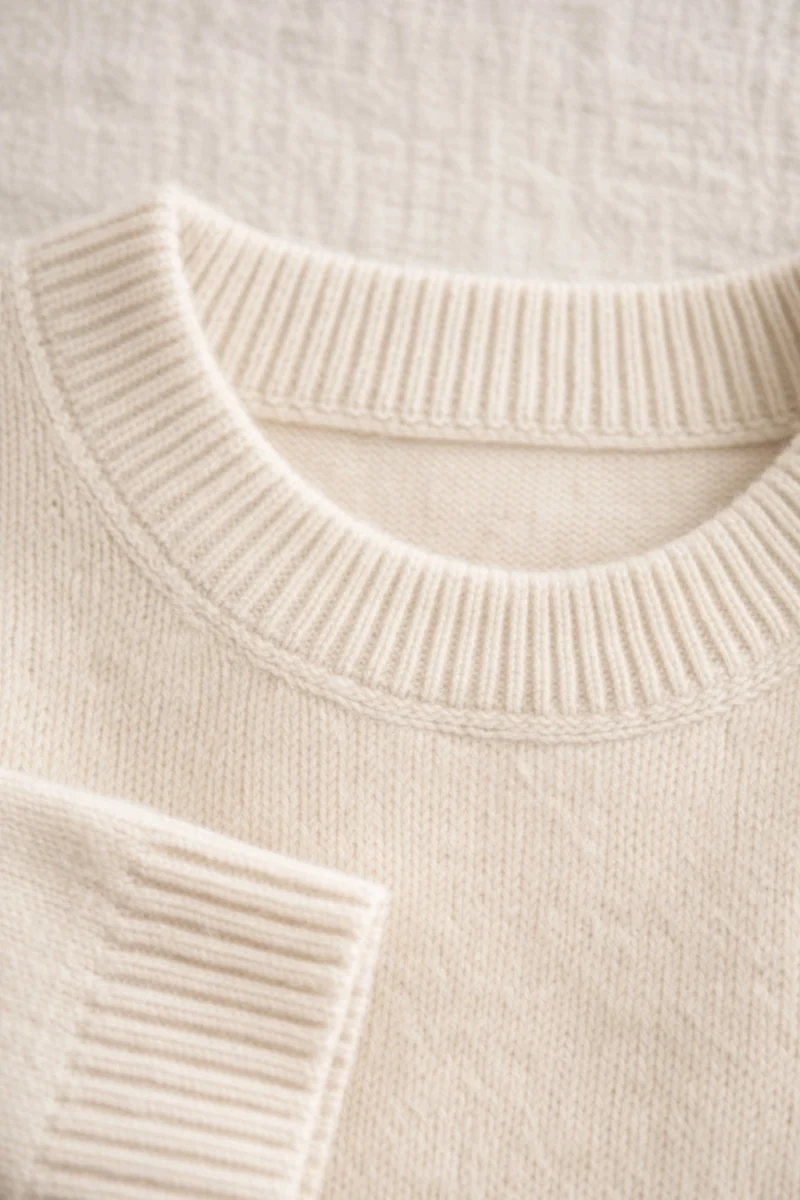
Building from a clearer starting point
Starting from scratch is less about replacing everything and more about seeing what actually works. Once that becomes clearer, the next step is understanding what belongs, how much you need, and how to refine it over time.
These next pieces move that process forward—so what you build begins to feel not just intentional, but complete.

