Quiet luxury is often misunderstood as a color palette, a price point, or a uniform. In reality, it’s a practice: discernment over display. A way of choosing that feels calm in the mirror — and even calmer in real life. This is what quiet luxury isn’t — and why the distinction matters.
This is the boundary-setting companion to What Quiet Luxury Actually Means — a gentle myth-buster to keep the idea from collapsing into “beige only,” “old money cosplay,” or “minimalism, but expensive.”
Quick premise: Quiet luxury isn’t about looking like someone else. It’s about looking like yourself — with fewer compromises, better materials, and less noise.
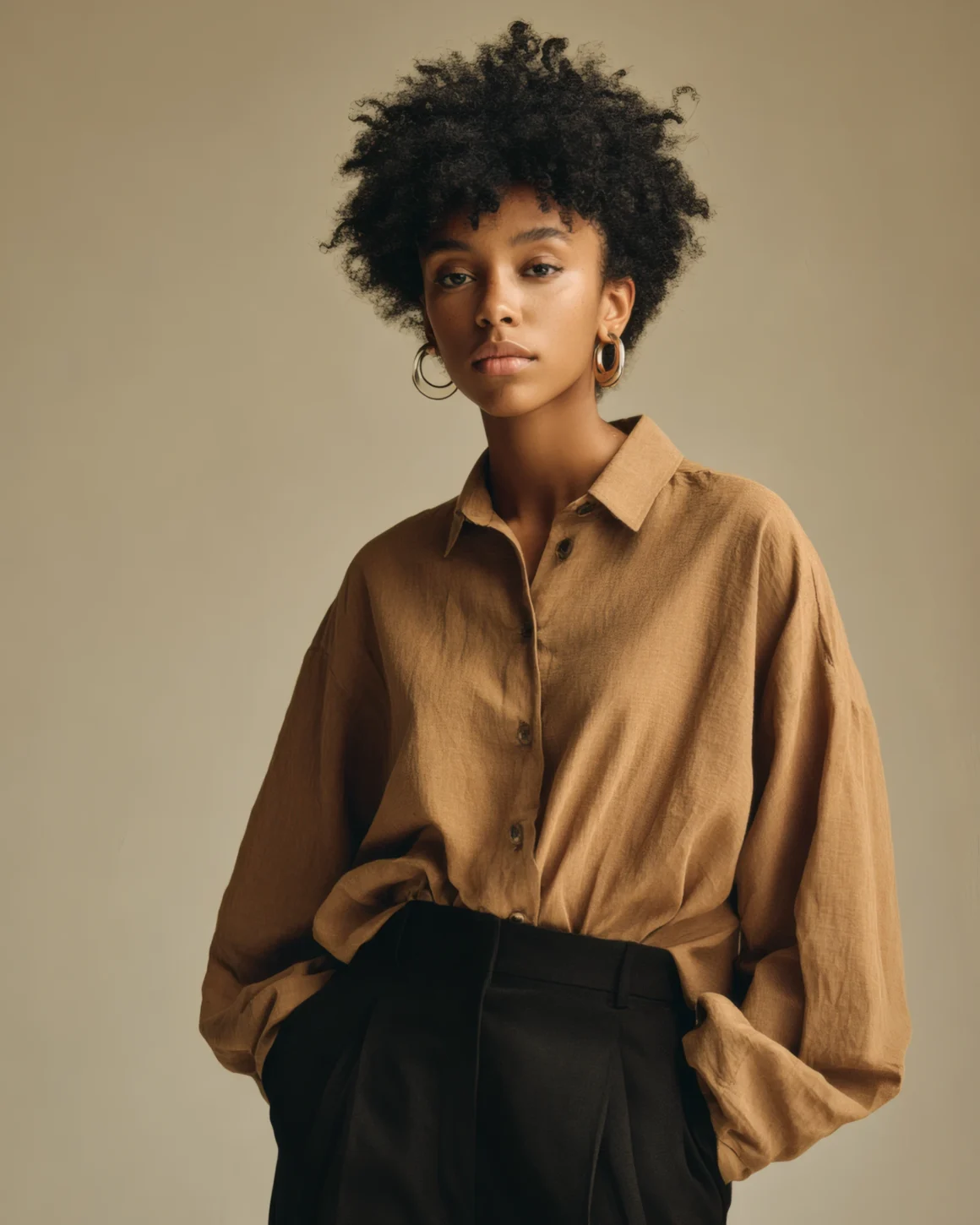
1) It isn’t “only beige.”
Neutral palettes photograph beautifully, but quiet luxury isn’t a hostage to tan. Color can be quiet — it just needs the same restraint you’d apply to a silhouette.
Think: deeper tones, softened saturation, considered repetition. A merlot knit can feel quieter than a bright white tee if it’s grounded in the rest of your wardrobe.
Quiet rule of thumb: Pick one “ink” and one “warm” (charcoal + camel, navy + taupe, espresso + ivory), then let one muted accent recur like punctuation.
2) It isn’t old money cosplay.
Old money style leans on heritage signals: tradition, lineage, codes. Quiet luxury can overlap — but it isn’t the same aim. Quiet luxury is less about belonging to a club and more about building a personal language that holds up over time.
If your outfit depends on a recognizable “look” to read as expensive, it’s usually doing more signaling than you think. Quiet luxury doesn’t need a costume to be legible.
3) It isn’t minimalism, just richer.
Minimalism uses reduction as a principle: fewer objects, fewer shapes, fewer decisions. Quiet luxury may also edit — but it edits for a different reason: to make room for quality, comfort, and depth.
Minimalism asks, “Can I remove this?” Quiet luxury asks, “Is this the best version of what I actually use?”
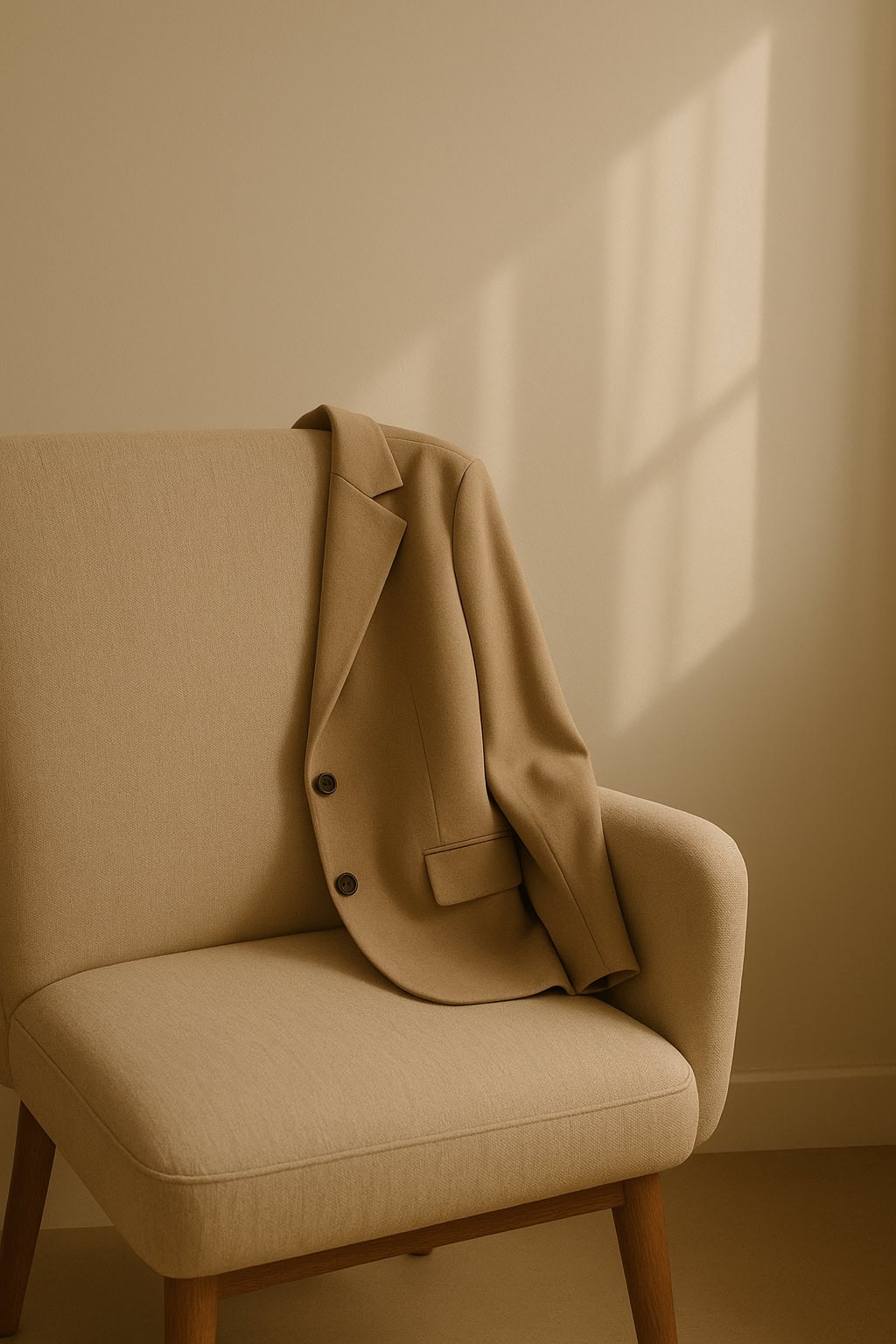
4) It isn’t logos replaced with stealth logos.
Removing a logo doesn’t automatically remove the need to signal. Sometimes “quiet” branding is simply a more coded form of the same impulse: an item that says, “If you know, you know.”
Quiet luxury is most convincing when it’s hard to summarize. It reads as well-made, well-chosen, and lived-in — not as a list of status markers.
If you’re wondering: removing a logo isn’t the same as removing the urge to signal. Quiet luxury reads as well-made and lived-in — not coded.
5) It isn’t a Stepford uniform.
This is the myth that bothers me the most — that quiet luxury equals conformity. A quiet wardrobe can be personal. In fact, it should be. The goal isn’t sameness; it’s clarity.
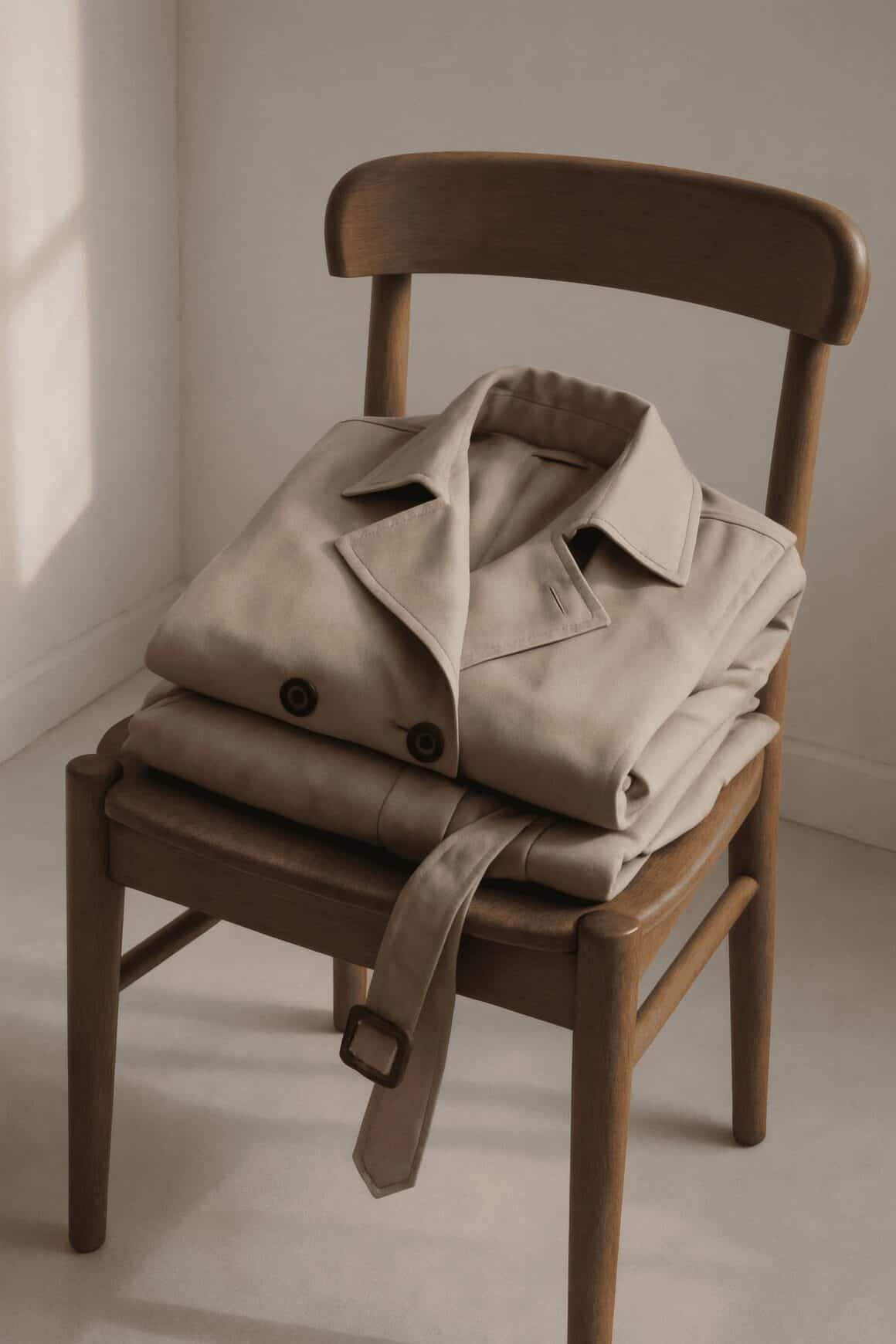
6) It isn’t synonymous with “expensive.”
What quiet luxury isn’t is a price range, it’s a strategy. The signal often comes from fit, fabric, and care — the unglamorous basics: pressing, tailoring once, choosing pieces that hold their shape, and wearing them repeatedly.
If everything is “new,” nothing looks settled. The quietest wardrobes often have the fewest recent purchases.
7) It isn’t trendless — it’s trend-resistant.
Quiet luxury isn’t allergic to trends. It simply doesn’t borrow them loudly. When something new fits your personal language, you adopt it with restraint — then keep it long enough that it stops reading as “this season.”
The point isn’t to avoid novelty. It’s to avoid wardrobe whiplash.
Takeaway: The quietest wardrobes feel settled — they don’t ask for attention.
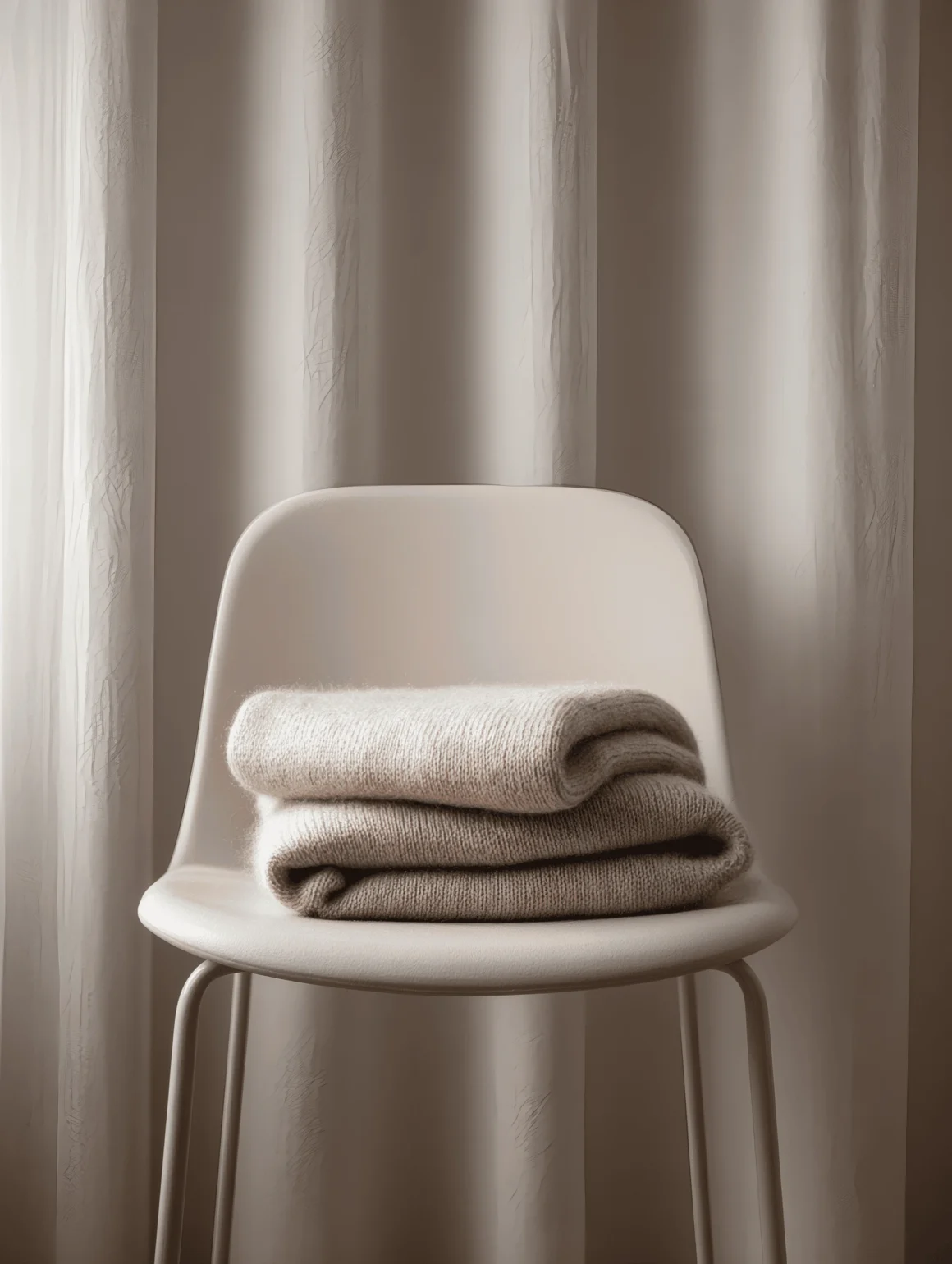
Choosing your language of style
If you take one thing from this piece, let it be this: you don’t have to pick a label. You can borrow the clean line from minimalism, the polish from heritage dressing, and the comfort of truly wearable luxury — then arrange them around your life.
Quiet luxury is the moment your wardrobe stops asking for attention — and starts supporting your day.
Once you know what quiet luxury isn’t, it becomes easier to recognize what it is.
Discernment often begins by removing assumptions. These guides explore the subtle signals that shape a quiet luxury wardrobe and how those choices translate into everyday life.
From visual cues to practical application, they offer a clearer picture of style built through intention rather than performance.

