How to make a modest footprint feel calm, considered, and quietly luxurious—without tearing anything apart.
Quiet luxury in a small space isn’t reserved for people with spare rooms and built-in storage. In many ways, it shows up more clearly in small spaces and rentals—places where every object, every surface, every square foot has to earn its keep.
You may not be able to open the walls or change the floors. But you can change how the space feels: the light, the texture, the way your eye travels across the room. Quiet luxury in a small space is less “make everything perfect” and more “let nothing feel frantic.”
This is a guide for the 600-square-foot apartment, the townhouse with a small living room, the rental with beige carpet and a landlord who loves overhead lighting. The question isn’t “How do I fit more in?” It’s “What do I want to feel when I come home—and what’s getting in the way of that?”
What Quiet Luxury Looks Like in a Small Space
In a small space, quiet luxury has a few signatures:
- Less visual noise. Fewer competing colors and shapes; more repetition and calm.
- Tactile contrast. Linen against smooth ceramics, felt against wood, wool over the arm of a sofa.
- Soft boundaries. Zones defined by rugs, light, and objects rather than walls.
- Breathing room. Not empty, but edited. Surfaces you can actually use.
You don’t have to transform everything at once. Think of it as layering atmosphere over the same square footage: the same room, quieter.
If Quiet Luxury, Defined is the philosophy, and Quiet Luxury at Home is the broad view, this is the small-space version—practical where landlords say no and closets run small.
Start With Atmosphere, Not Furniture
In a small space, big furniture changes are expensive and complicated. Atmosphere is faster.
Begin with the three elements that cost very little floor space:
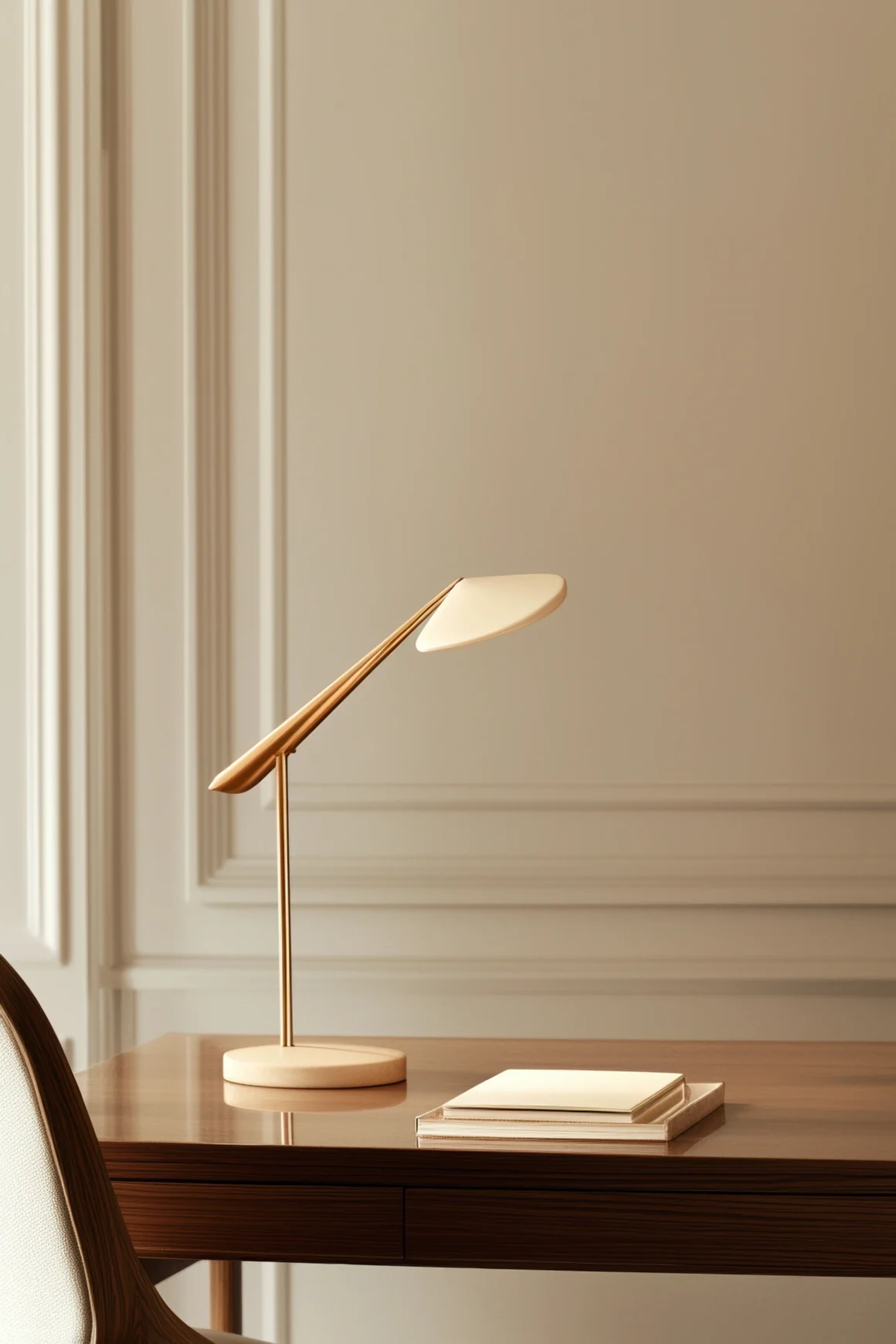
- Light. Swap harsh bulbs for warmer ones (2700–3000K). Use table and floor lamps more than overheads. Even one candle on a tray can shift the room from “on” to “exhale.”
- Scent. A single beeswax candle, a diffuser, or a favorite incense cone is enough. Quiet luxury scent isn’t about intensity; it’s about consistency—something soft and recognizable when you walk in.
- Sound. In small spaces, sound bounces. A wool rug, heavier curtains, and a throw over the back of a chair can soften echoes and make the room feel less sharp.
Atmosphere doesn’t take more space; it just teaches the room to speak more softly.
Edit the View, Not the Whole Room
When square footage is limited, it helps to think in views, not rooms. Most of the time, you’re experiencing your home through a handful of sightlines:
- The spot your eye lands when you open the front door
- The wall opposite the sofa
- The corner you see from bed
- The stretch of counter where you make coffee
Choose one view and work only on that.
Clear everything, then ask:
- What needs to live here to make my day easier?
- What can move to a drawer, cabinet, or another room?
- What is visual static—mail piles, empty packaging, decor that doesn’t mean anything?
Put back only what serves you, and group it with intent. A lamp + a book + a small object on a side table reads as one composed view. The same items scattered read as clutter.
In a small space, three thoughtful views will have more impact than a half-finished makeover in every room.
If the living room is doing most of the visual work, Quiet Luxury Living Room explores how proportion, restraint, material, and light can make that space feel more resolved without adding more.
Surfaces That Do Double Duty
You don’t need more pieces; you need pieces that do more.
Look at the surfaces you already have and ask them to work a little harder:
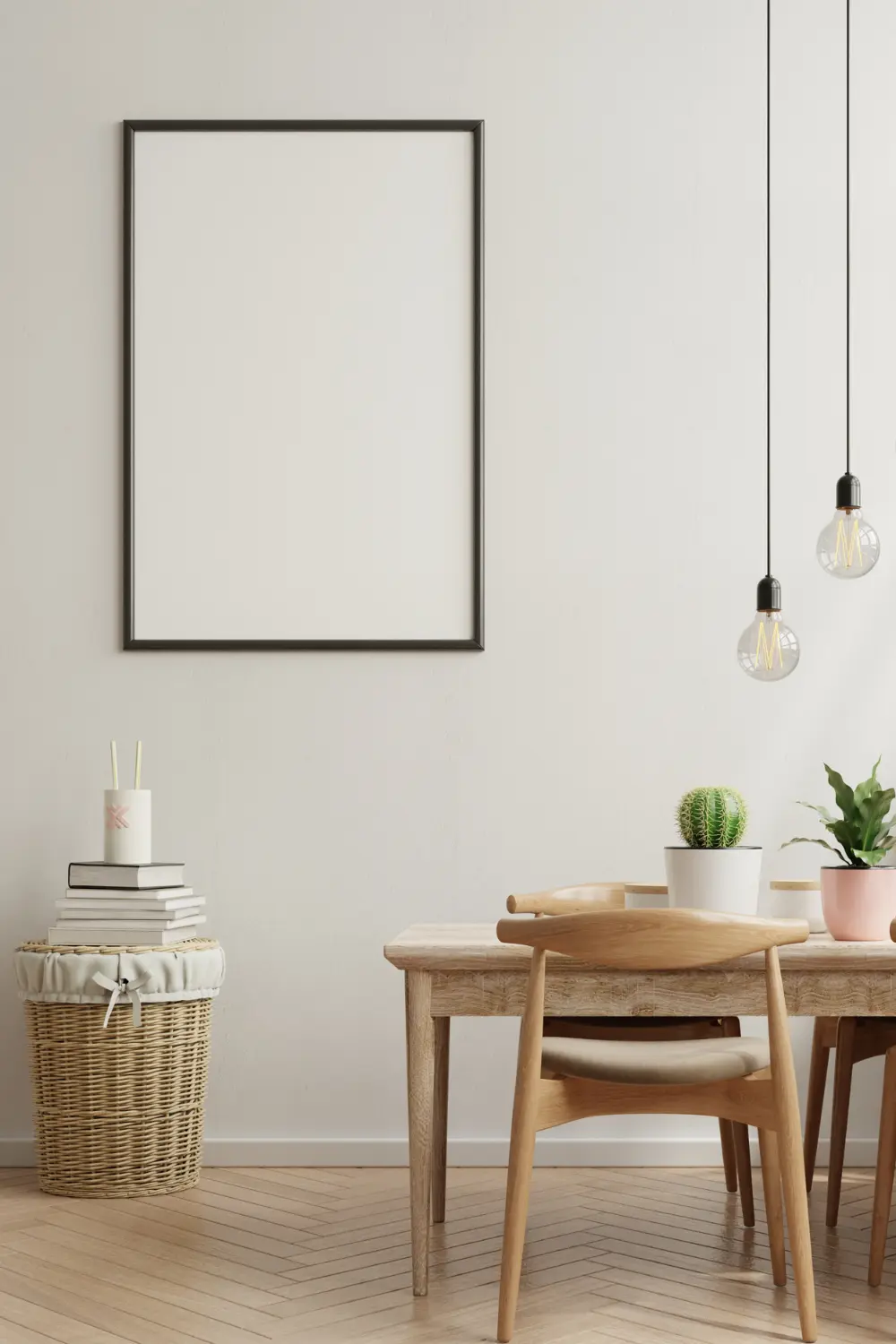
- Coffee table or ottoman. Add a tray so it flips easily from “feet and tea” to “laptop and notebook.” The tray becomes a traveling landing zone you can move to the sofa, bed, or balcony.
- Stools and side tables. Choose ones that can float—extra seating, nightstand, plant stand, or side table when you host.
- Window sills and ledges. Keep them clear enough that one or two objects—a bud vase, a candle, a stack of three books—feel intentional, not like a storage overflow.
Quiet luxury in a small space isn’t about having a different object for each function. It’s about a few well-chosen surfaces that can host many rituals.
Storage That Doesn’t Shout
Small spaces often come with visible storage: open shelving, hooks, baskets stacked in corners. The goal isn’t to eliminate storage; it’s to let it recede.
A few quiet rules help:
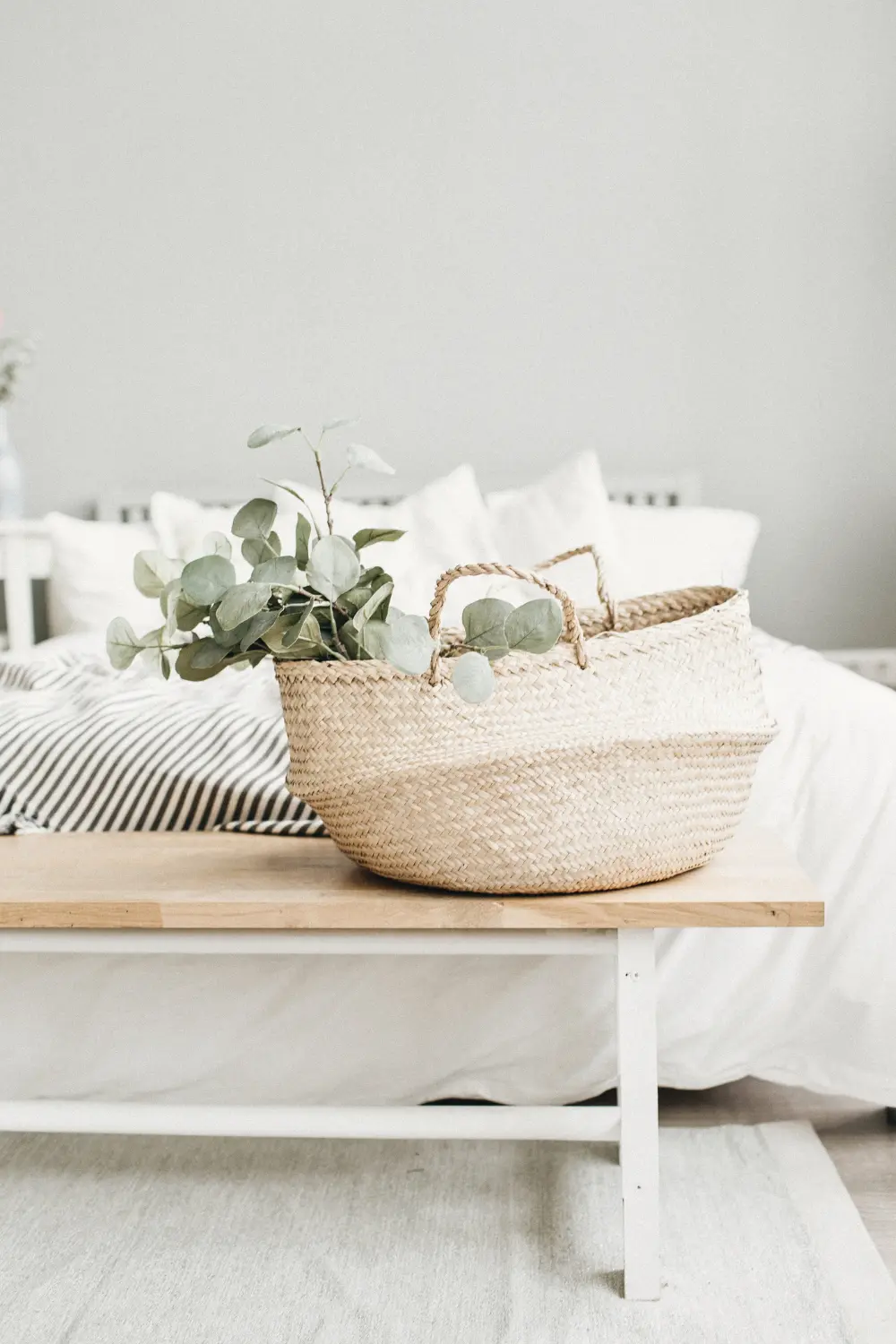
- Match containers to the room, not the contents. Neutral baskets, lidded boxes, and canisters in your room’s color story look like part of the design, even if they’re holding cables or pet toys.
- Hide categories, not everything. It’s fine if people see that you own things. But create at least one clean line of sight where your eye gets a break—an uninterrupted stretch of wall, the top of a dresser, the back of the sofa.
- Use vertical space gently. A single row of hooks in the entry, a slim wall shelf above a desk, or a narrow bookcase can pull things up off the floor without making the room feel like a pegboard.
Think of storage as quiet architecture in the room: supporting, never shouting.
Textiles as Soft Dividers
When you can’t put up walls, textiles can suggest where one zone ends and the next begins.
In a studio or small open-plan space:
- Rugs anchor zones. One under the sofa, one under the bed, even a narrow runner under a dining table or along the kitchen. They don’t have to match; they just need to share a calm palette.
- Curtains soften edges. Floor-length panels, even on simple rods, can frame a window, hide a less-than-beautiful view, or visually separate a bed from a living area.
- Throws and cushions signal function. A throw and pillow on a chair says “reading corner,” even if you’re technically in the same room as the TV and desk.
Nothing actually moves, but your brain registers smaller, cozier zones instead of one amorphous room that has to be everything.
Choose One Daily Ritual Corner
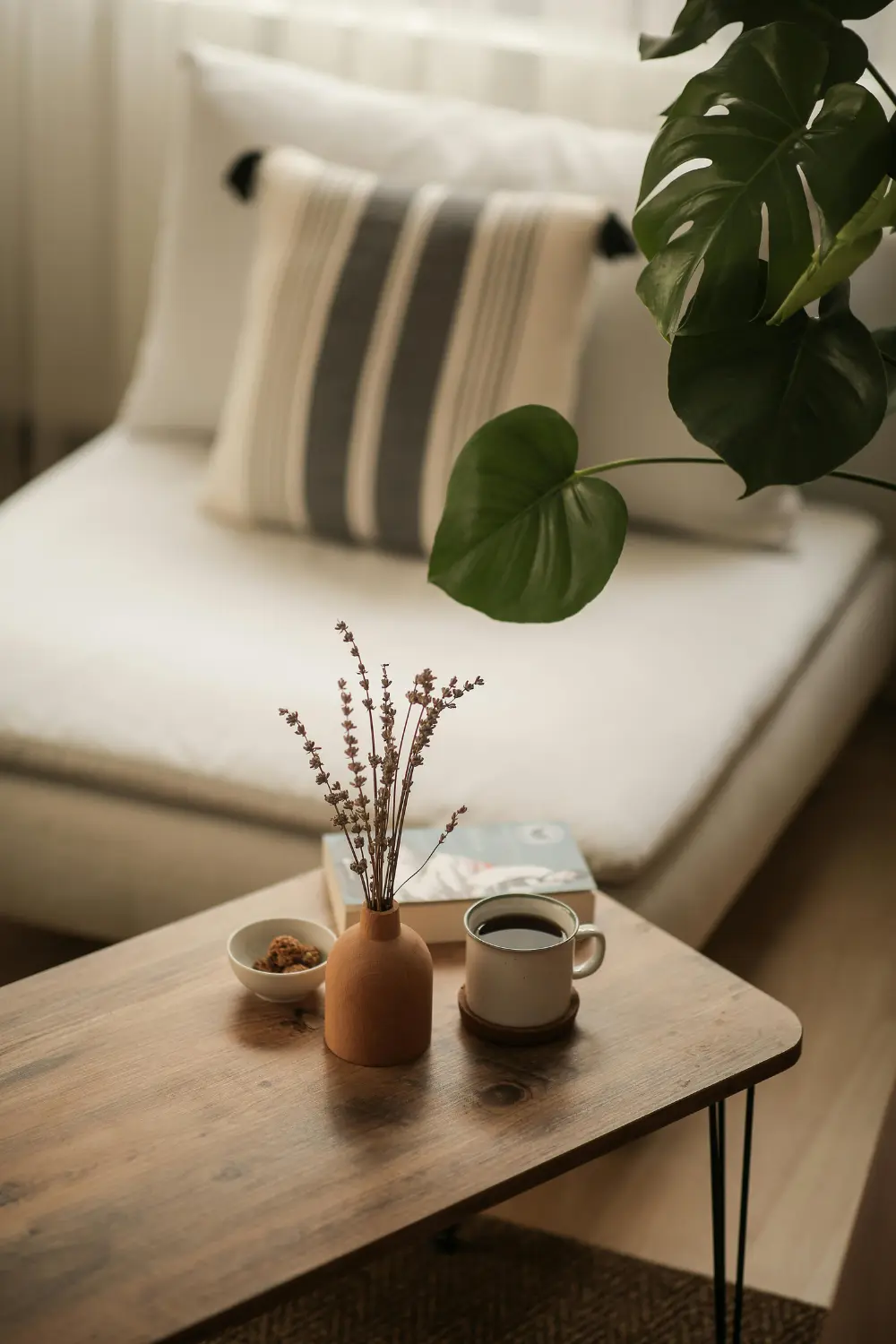
Small spaces do best when you crown a single corner as your personal sanctuary—a place that stays tidier than the rest.
It might be:
- The chair by the window with a small side table
- The spot at the table closest to natural light
- A particular side of the bed with your nightstand
Outfit it lightly:
- A lamp or candle for soft light
- A surface big enough for a book and a mug
- A textile—a throw over the chair, a small rug under your feet
Decide that this corner doesn’t get laundry piles or mail. When the rest of the apartment feels like a to-do list, this little piece of quiet luxury gives your nervous system a place to land.
A quiet corner doesn’t have to be elaborate to shift the feeling of a home. Sometimes renewal begins with choosing one small place to tend consistently. If you’re craving a broader reset, Refined Renewal explores how thoughtful rituals and gentle edits can help you begin again without reinventing everything.
Rental-Friendly Upgrades That Matter Most
In a rental, your energy is precious. Focus on changes that:
- Touch your body often
- Change the way the space feels every day
- Can move with you to the next place
A few high-impact upgrades:
- Bulbs and lamp shades. Warmer bulbs, fabric shades, and a dimmer plug change the mood more than almost any decor piece.
- Shower curtain and towels. Upgrading to a heavier curtain and better towels makes an ordinary rental bathroom feel like a small hotel suite.
- Entry mat and hooks. A simple mat, a small tray for keys, and a row of hooks for coats and bags turn “pile by the door” into a threshold.
- Bedding. A quietly textured duvet, two good pillows, and one throw do more for your sense of rest than a dozen decorative cushions.
None of this requires repainting or drilling into walls. These are the things your hands and skin meet every day—the places where quiet luxury feels most immediate.
A Small-Space Quiet Luxury Mini Edit
You don’t need a long shopping list to live this way. In a small space, a handful of considered pieces can shift the whole atmosphere:
- A small tray or board that can move from coffee table to bedside to kitchen counter
- A neutral throw with real weight
- A bedside or table lamp with a warm bulb and fabric shade
- A carafe and glass for nightstand or desk
- A pair of slippers or house shoes that never leave the home
- A lidded basket or box to hide the one category that always spills over (tech, paper, pet things)
The Small-Space Quiet Edit
Six apartment-sized pieces that soften light, add storage, and make small rooms feel intentional.

West Elm — Telescoping Floor Lamp
A slim, adjustable floor lamp that softens rental lighting without touching the ceiling fixtures.
Shop
CB2 — Runway 48" Acacia 2-Drawer Desk
A narrow, warm-wood desk that can read as console, vanity, or workspace depending on where it lands.
Shop
Zara Home — Round Basket with Lid
Soft storage that looks like decor—perfect for throws, extra pillows, or the things that never quite have a home.
Shop
Boll & Branch — Modern Crochet Bed Blanket
A weighty, textured blanket that upgrades basic rental bedding or a simple sofa in one move.
Shop
Amber Lewis x Loloi — Bexley I Rug
A low-profile rug that quietly zones a living area, hallway, or studio without overwhelming the footprint.
Shop
IKEA — Wall / Door Rack with Knobs
A slim row of knobs that gives coats and bags a landing place, turning a blank wall into a quiet entry.
ShopFor more considered pieces that shape atmosphere, explore Quiet Luxury at Home.
Quiet luxury in a small space isn’t about waiting for the someday house.
It’s about honoring the place you live now—through atmosphere, ritual, and thoughtful restraint. Even small shifts change how a home feels.
WHERE THIS LEADS
Continue exploring the feeling of home.
Small spaces teach the same lesson at the heart of quiet luxury: choose with intention, edit with care, and create atmosphere before accumulation.

